Home › Operations › Types of Goods
Types of Goods
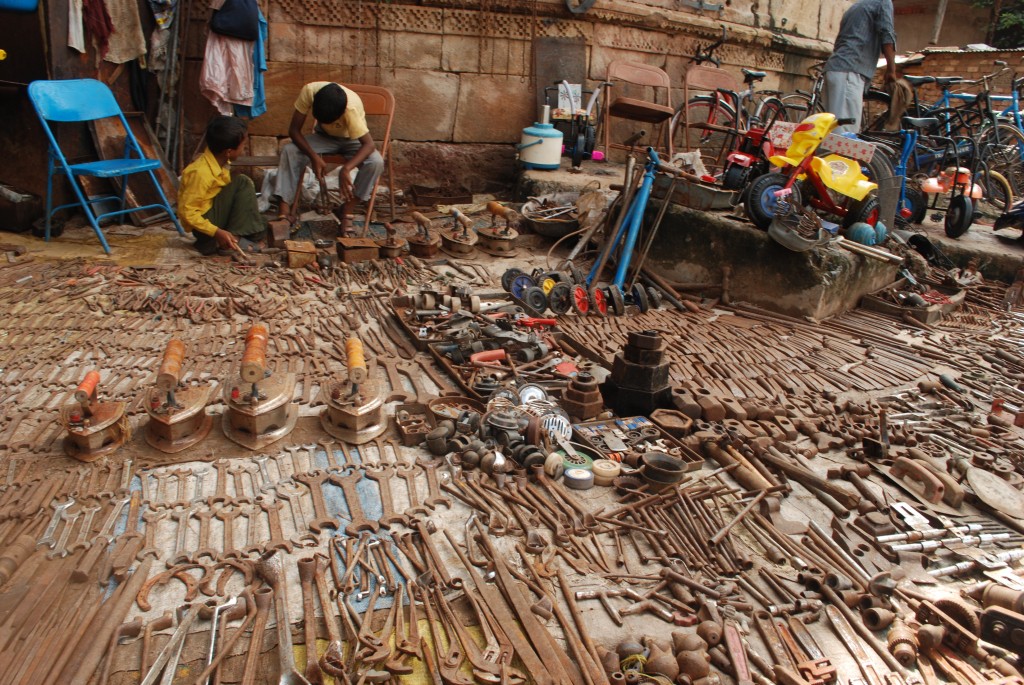
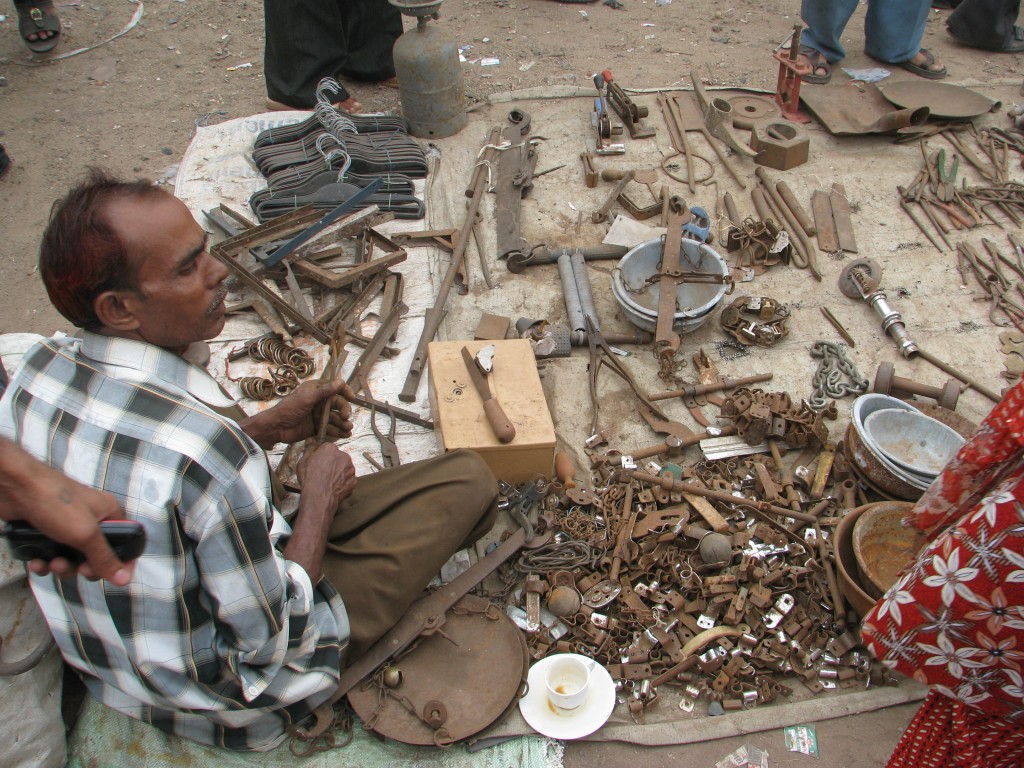
The market consists of between 1000-2000 stalls, selling everything from utensils to electronic goods and hardware tools to rare books. The sellers have in-depth knowledge about their wares, technical know-how, technological foundations included. Products are bought in wholesale from dealers and markets, predominantly from local and regional producers or through barter chains, involving utensils, textiles, footwear, paper and books, tools and scrap. Then there are entirely self-made items using human labour either hired or paid for, or by skilled workers belonging to traders’ families. The Gujari Bazaar discards the very concept of waste…even a broken bangle finds a buyer. Many of the sellers are artisan-entrepreneurs who recycle waste into very useful things that are then re-sold in the market and elsewhere. As a result, tools of the trade and all products are accorded a respect that defies the outside convention of the ‘disposable’. This market plays a prophetic role in a world rushing headlong to unbridled consumerism, with drastic consequences to social and ecological health (source).
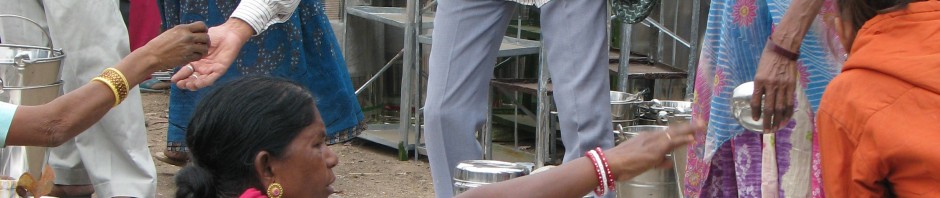
The necessity for social interaction in all forms of commerce and the direct buyer/seller/product contact has succeeded in establishing a persistent credibility in the bazaar’s operation. This triangle, apart from forging strong bonds of community belief and communication, allows for a great deal of compromise and bargain. This ensures satisfaction to both customer and trader and succeeds in a context where the inflexible attitudes of modern shops and markets do not. Gujari Bazaar being a ‘utility’ based market sells goods that people need in their everyday life. Most of the goods sold are recycled and reused, making the market cheaper and hence immensely accessible for lower income customers. Since everything required in setting up house/office is available in the market, families and even newly married couples come to buy necessities from here. An entire house’s amenities can be set up with Rs 10,000 ($200).
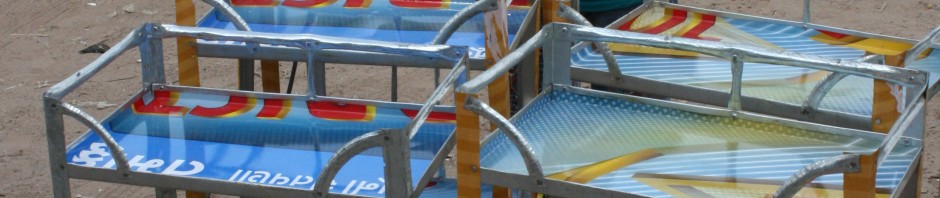
Examples of Durable Goods
These are goods that don’t quickly wear out, or more specifically, they yield utility over time rather than being completely consumed in one use.
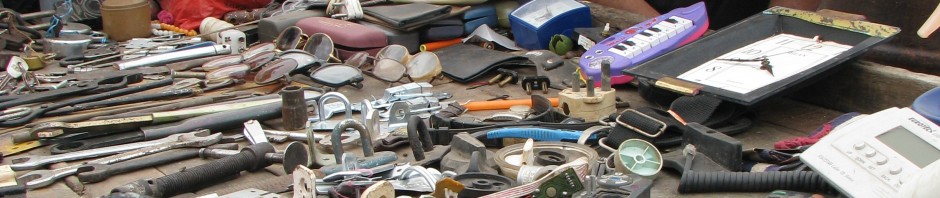
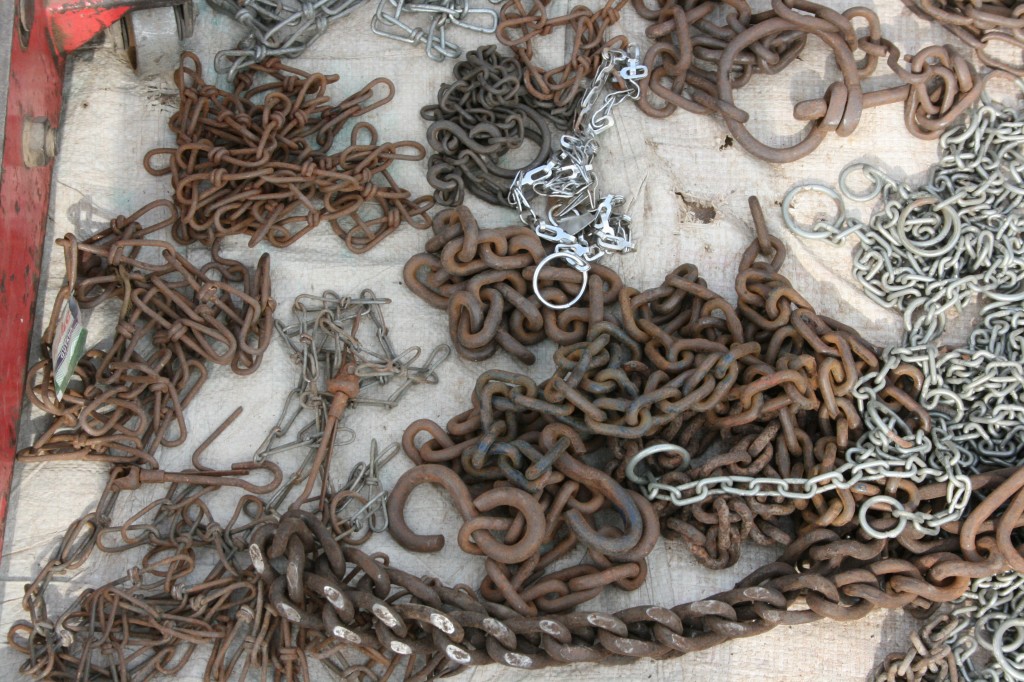
Tools - screwdrivers, car-jack, chains
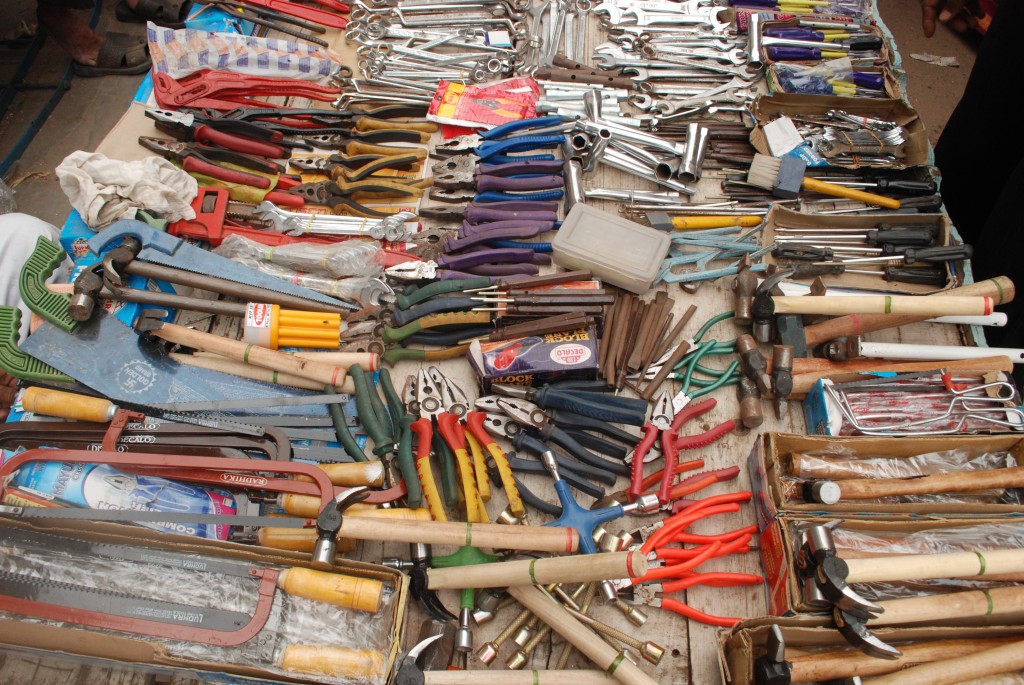
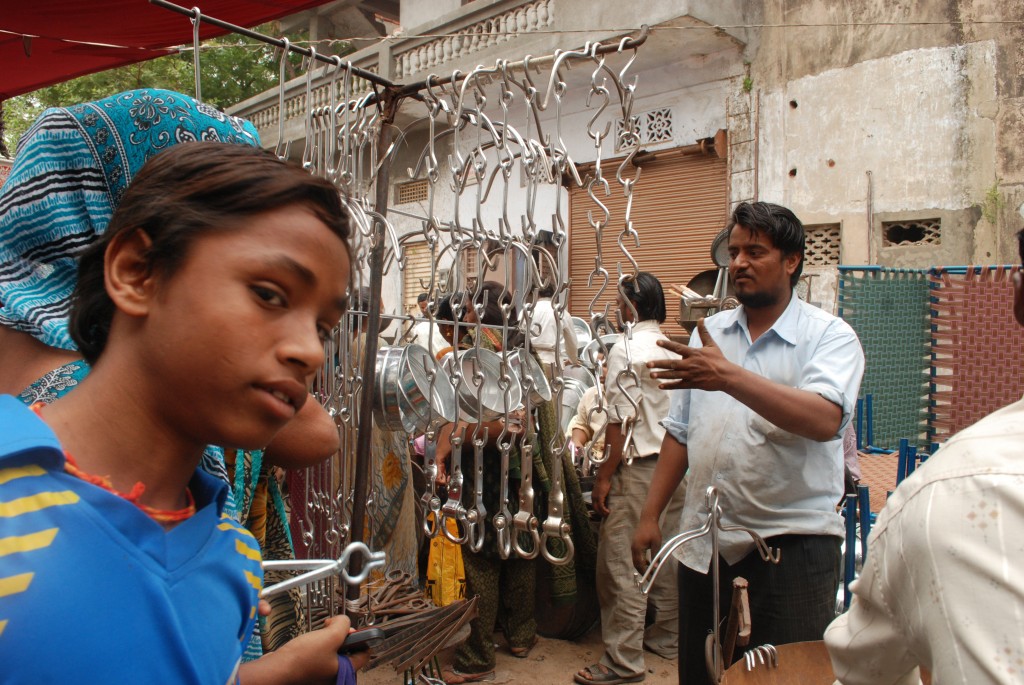
Utensils – steel, brass, iron - tawas, buckets, pots, pans, plates, kettles, cups, bowls, trays, cookers, Chulas, 18 different kinds of stoves, crockery, tiffin boxes
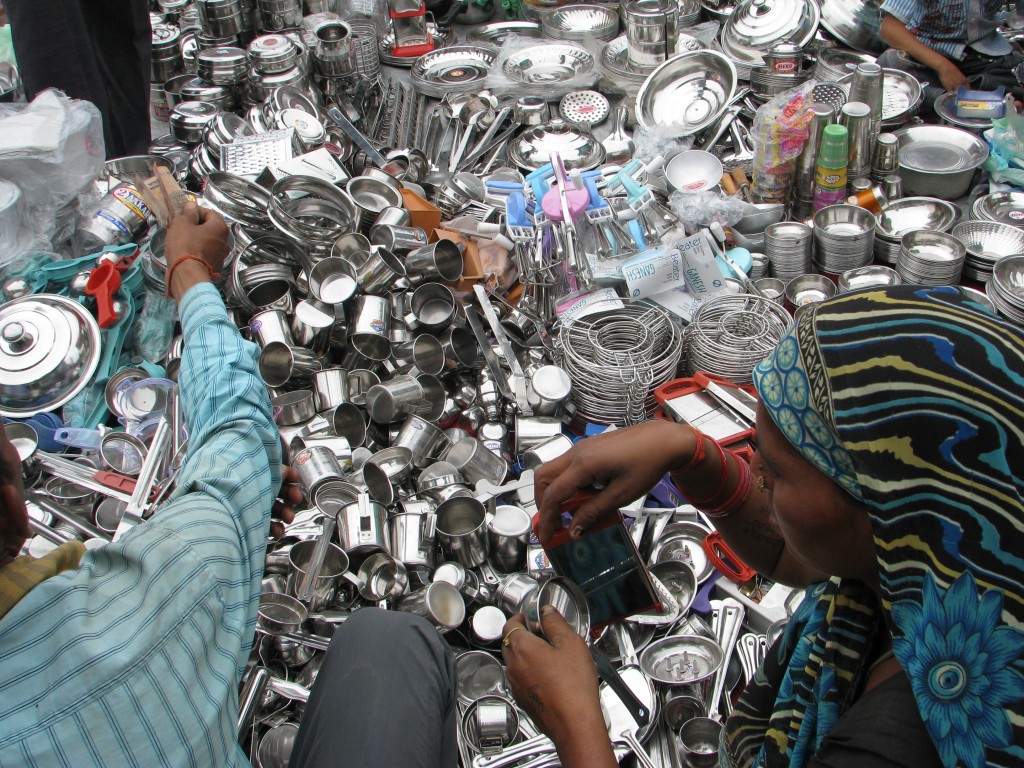
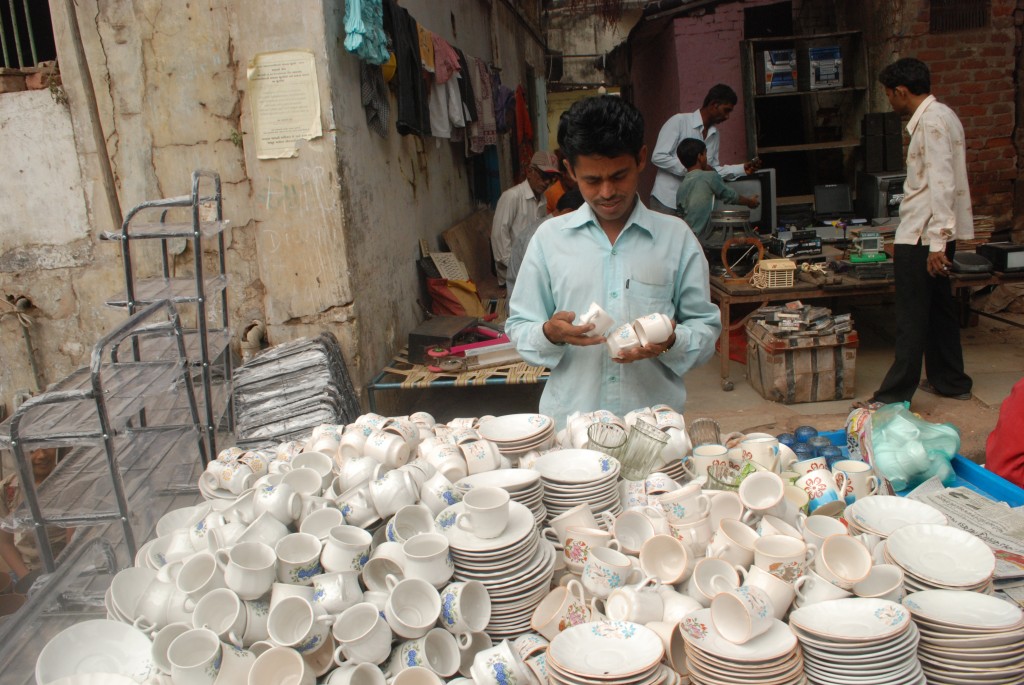
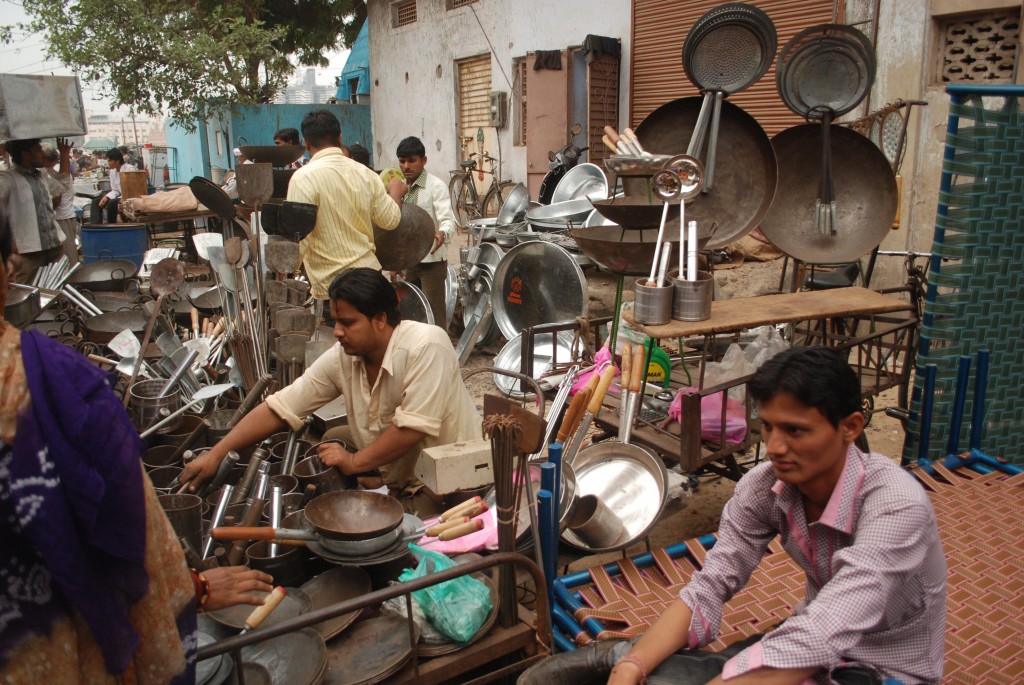
Bathroom accessories – soap cases, liquids, plumbing material, brushes, Mirrors
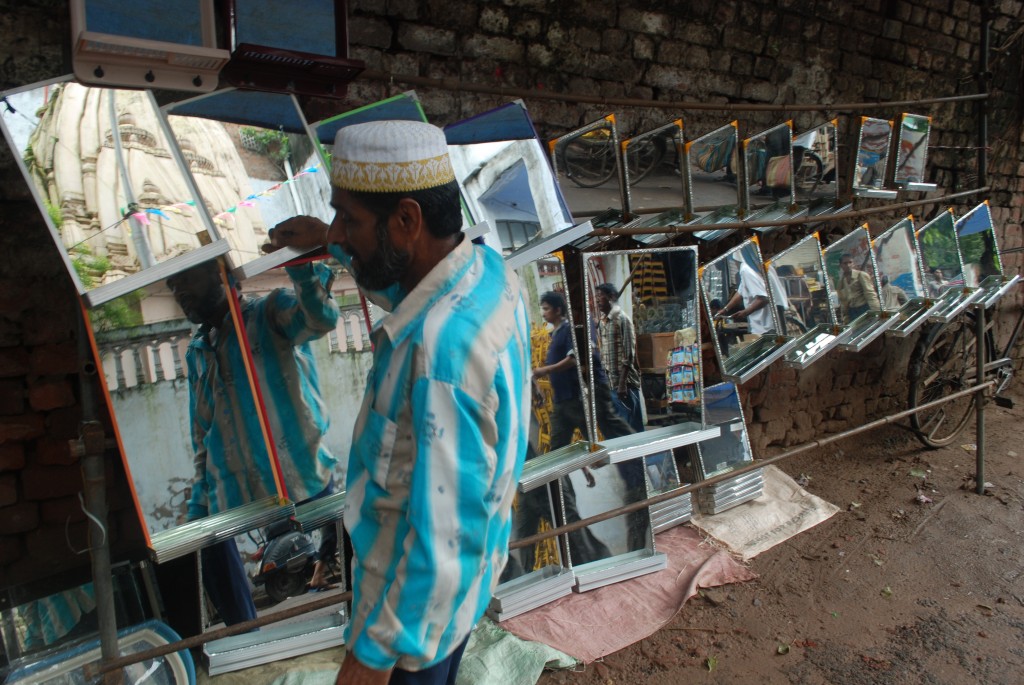
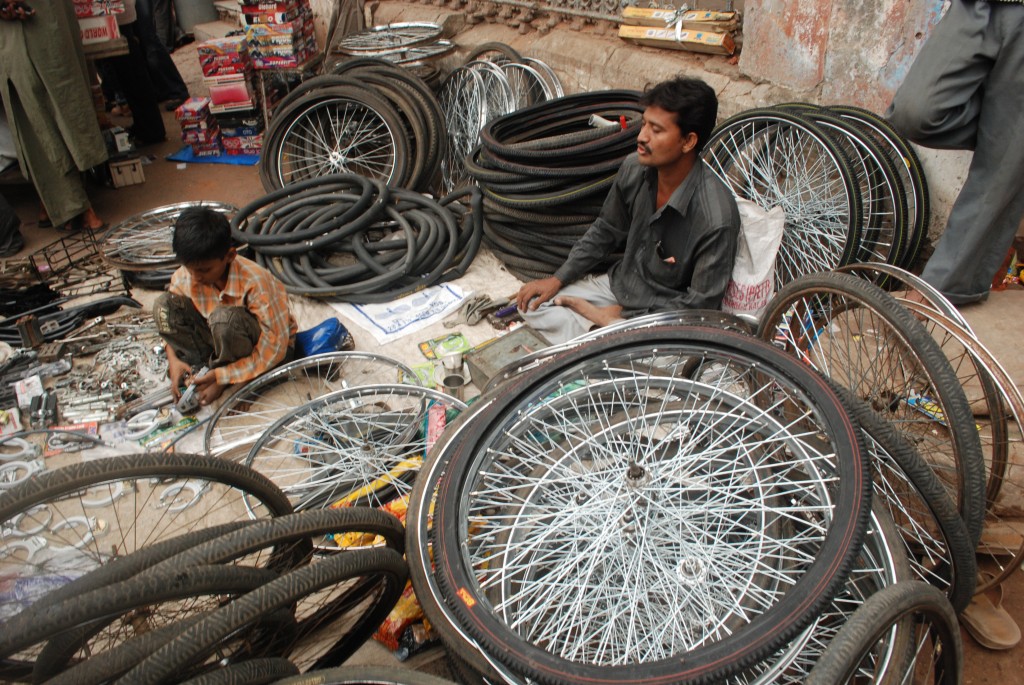
Cycles, spare parts
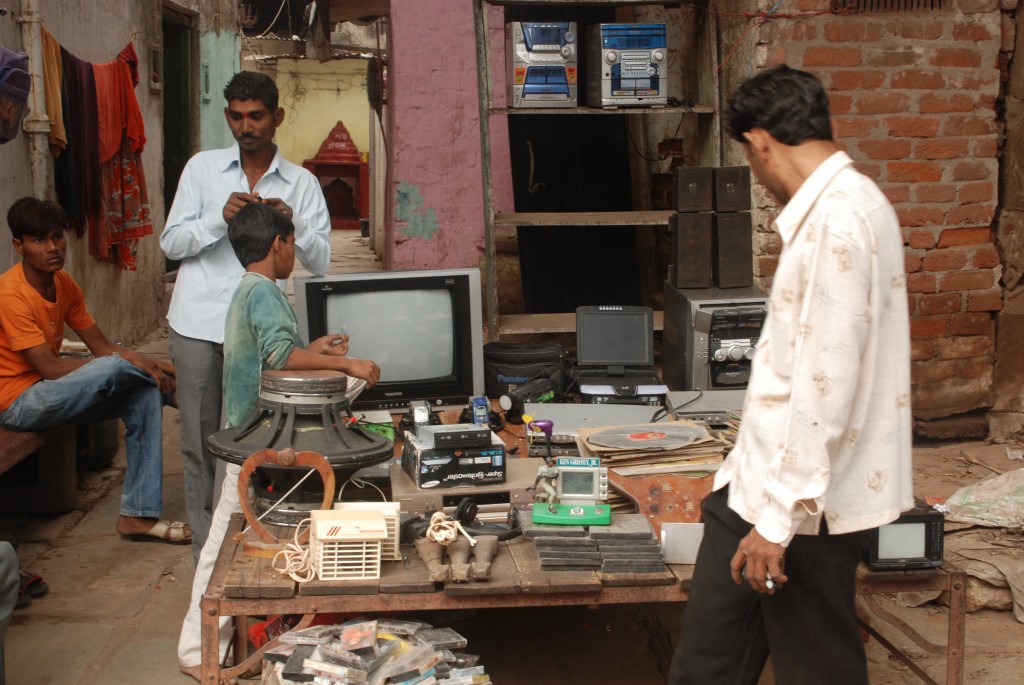
Computer and electronics accessories
Drums – to store water
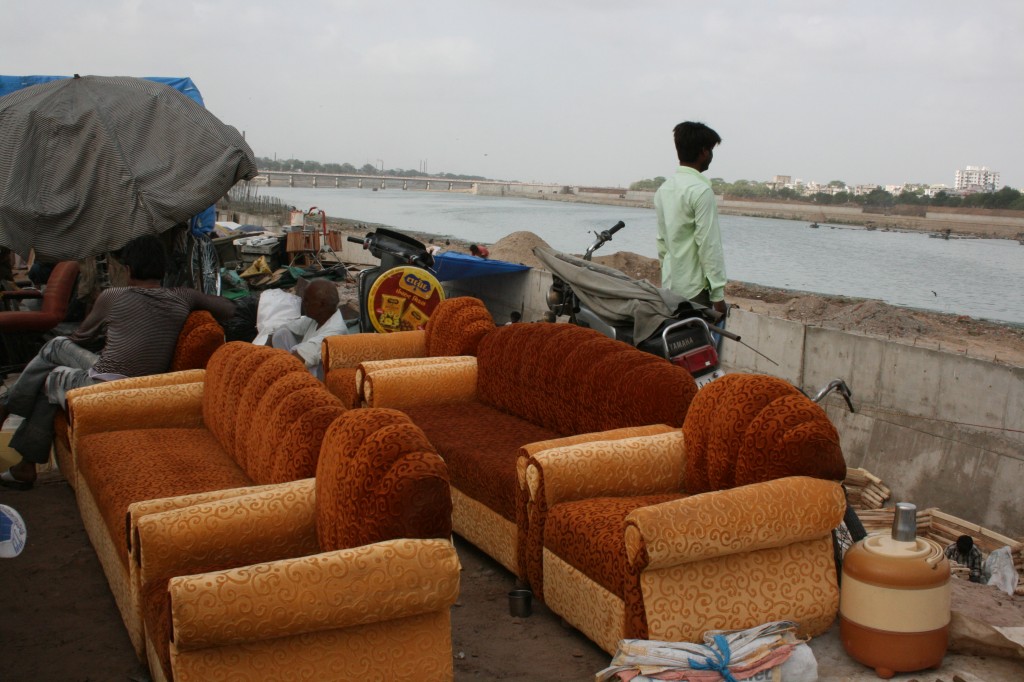
Furniture – chairs, tables, sofa-sets, wood and iron beds, steel shelves, stands
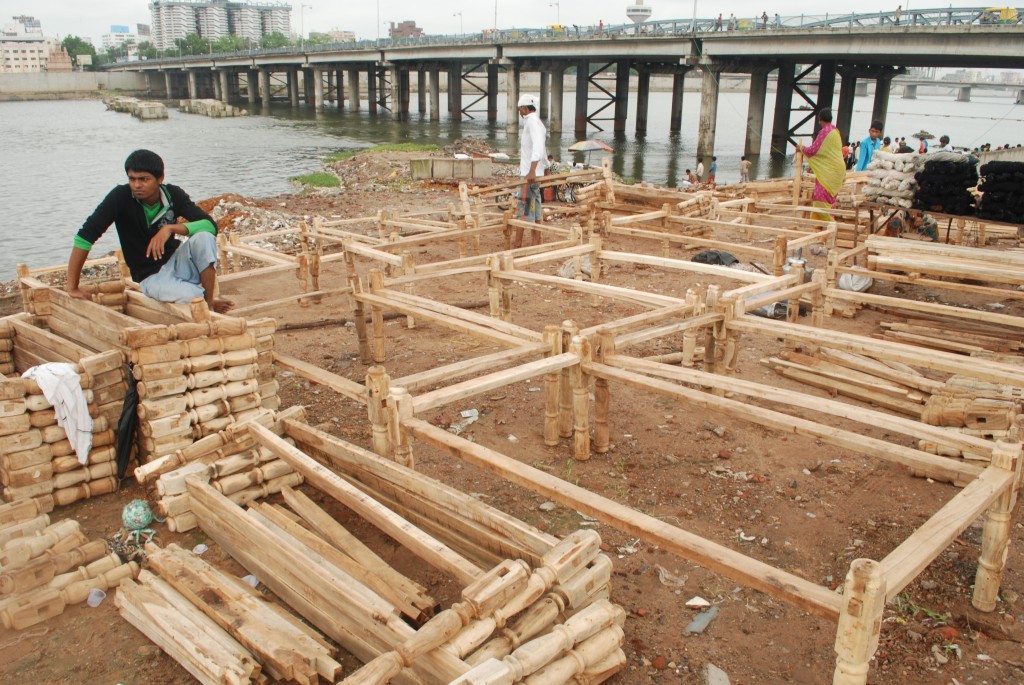
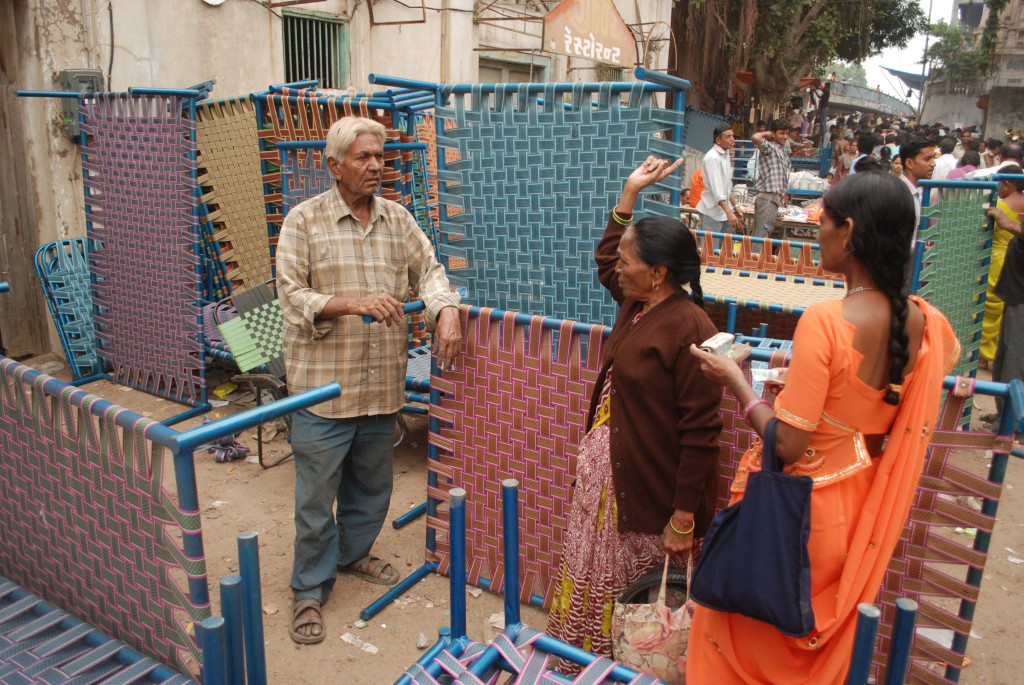
Khat, Cots
Lamps, wall and table clocks
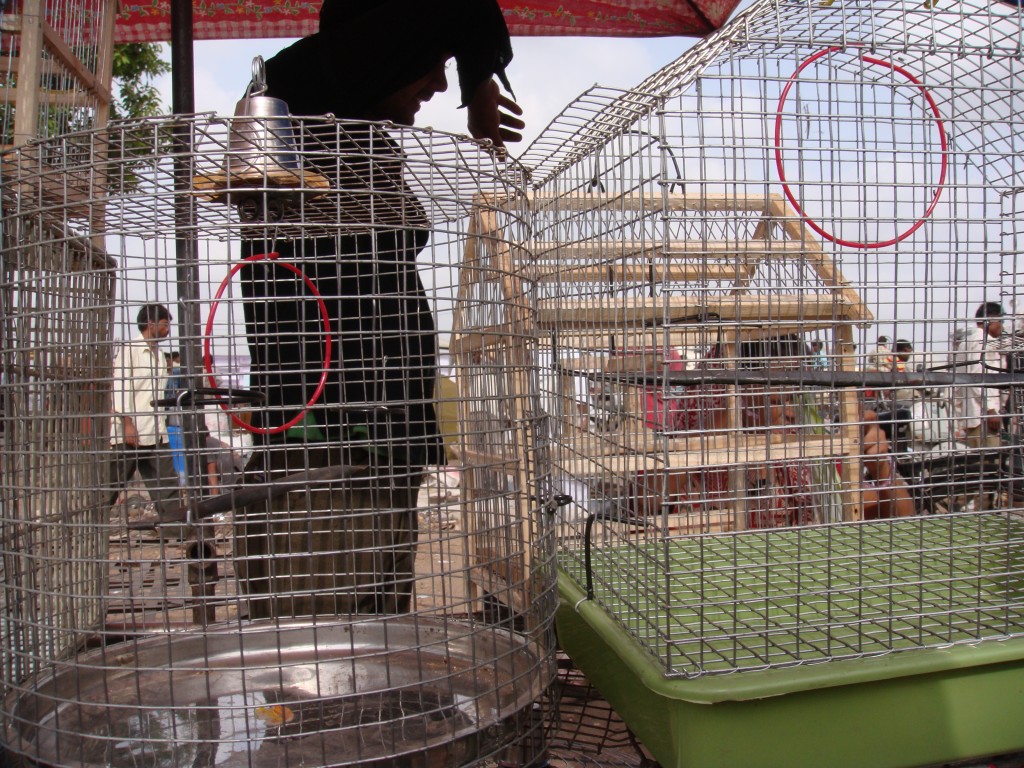
Locks, Chains, Cages
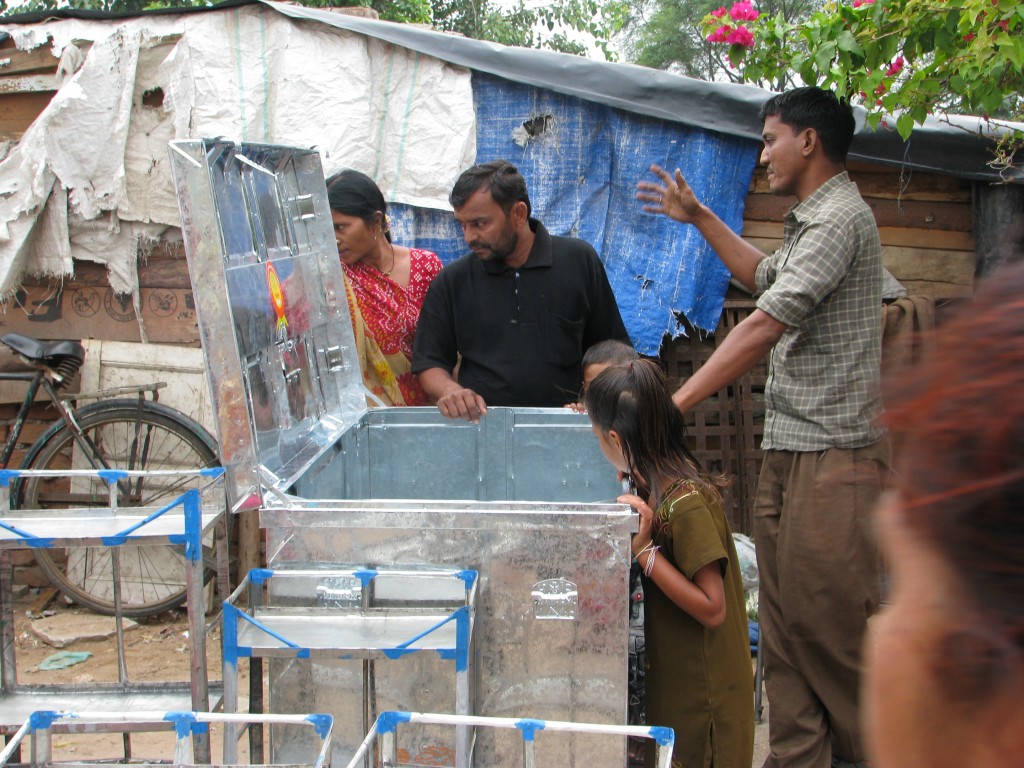
Suitcases, trunks
Intermediate Goods
These are goods used as inputs in the production of other goods, such as partly finished goods. Also, they are goods used in manufacture of final goods.
Plywood
Machine parts
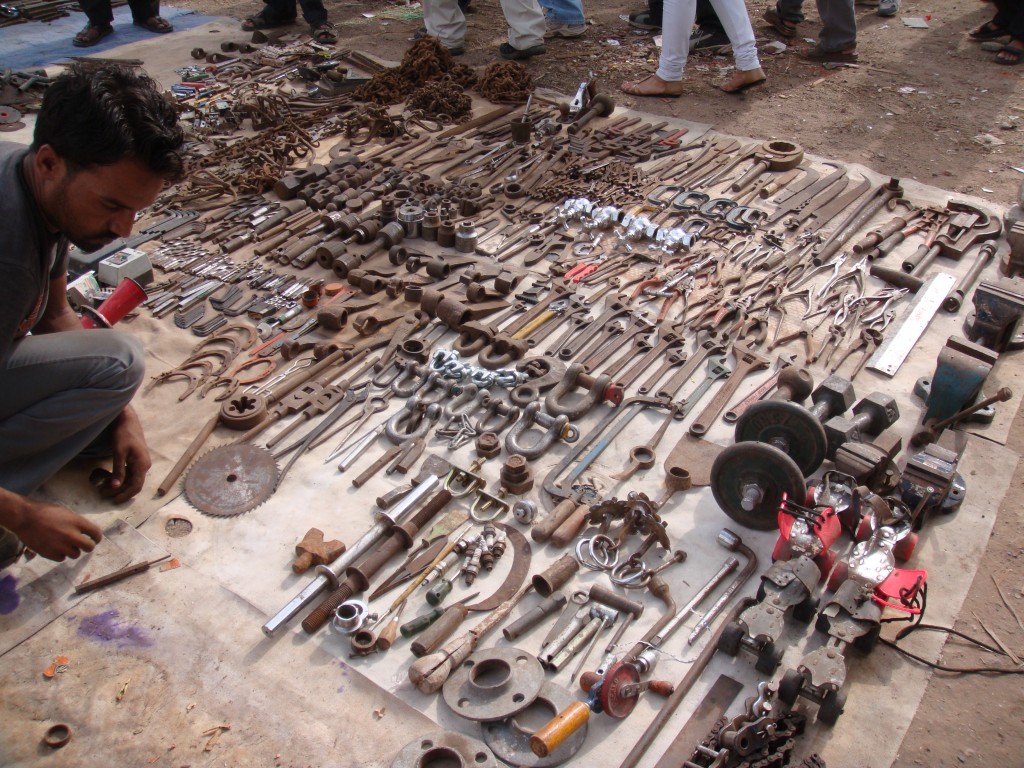
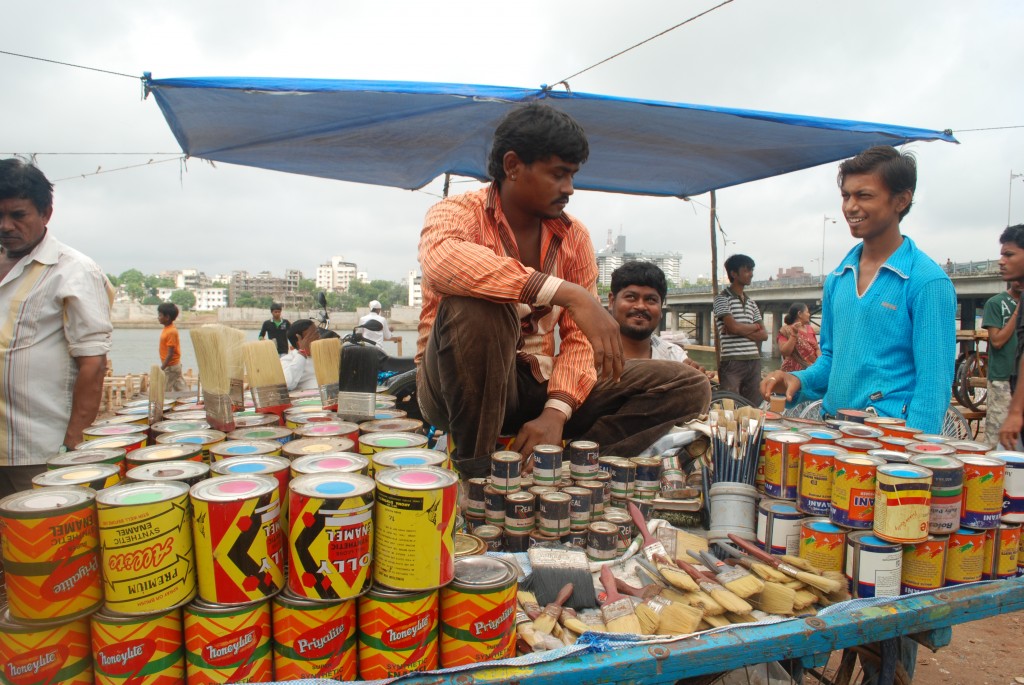
Screws, nuts, bolts, assorted metal, plastic and rubber hardware, paint
Final & Lifestyle Goods
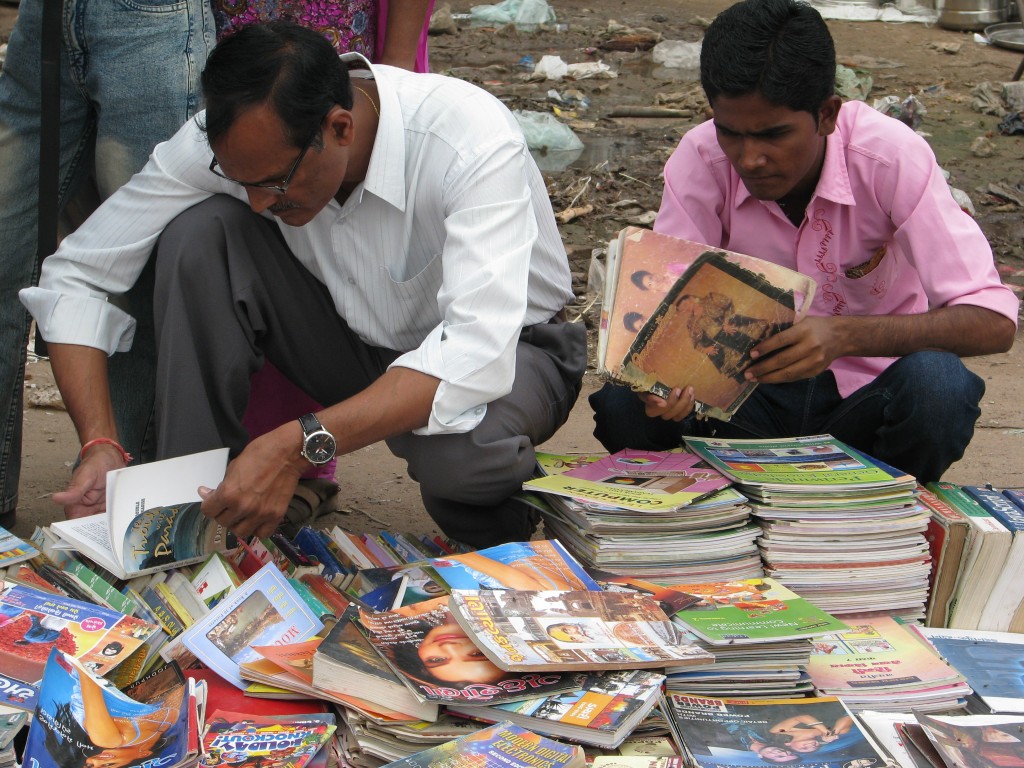
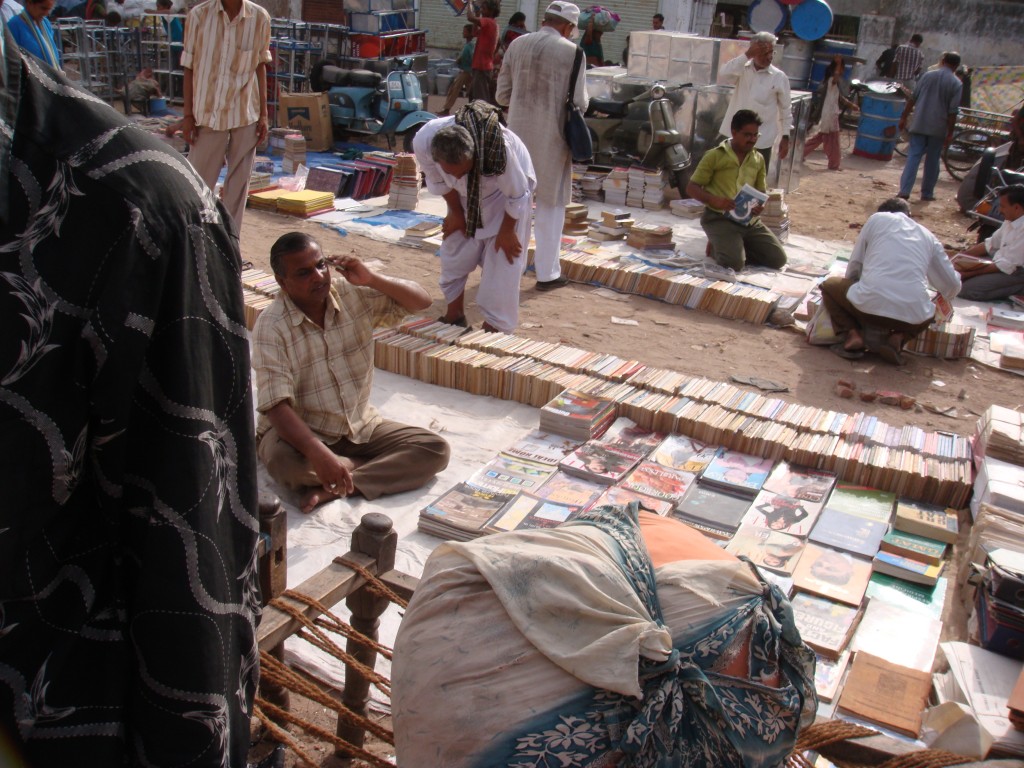
These are goods that are ultimately consumed rather than used in the production of other goods. In the context of the market, luxury goods are those that are not a necessity but are bought for pleasure. Vendors collect books from across the country over the week and then bring them here on Sundays. Not all are “luxury” items, though considering guidebooks for competitive exams like the GMAT, CAT, JEE, GRE, etc. are available here for a pittance.
Bags for different purposes
Cell phones and accessories, corded and wireless telephones
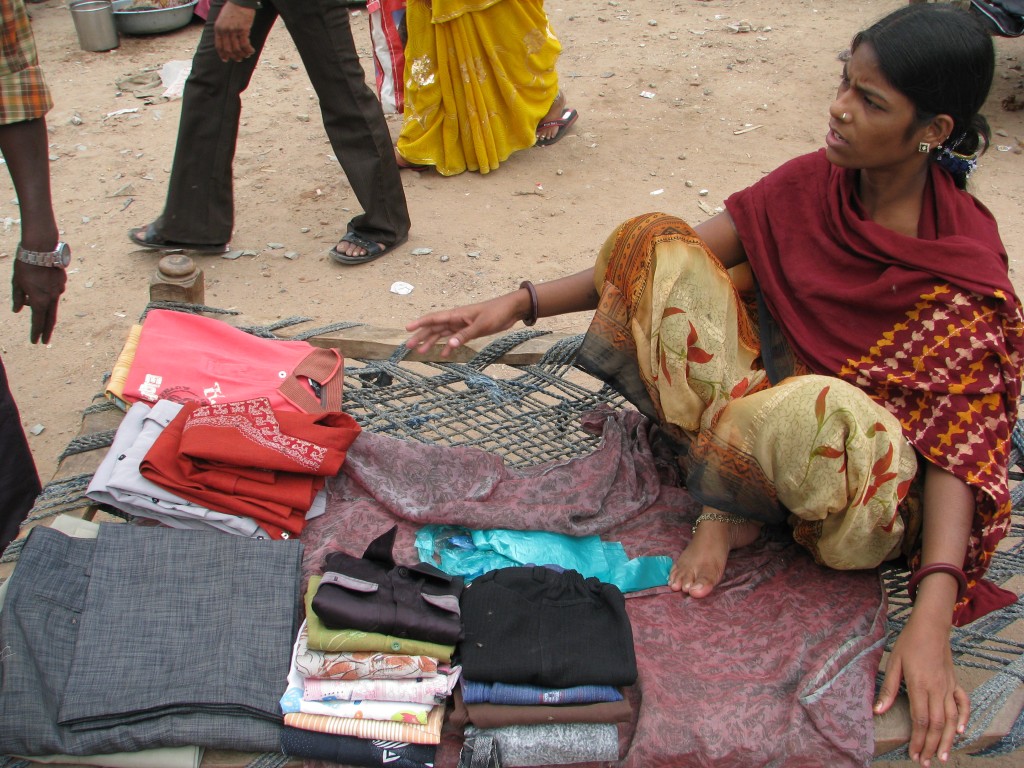
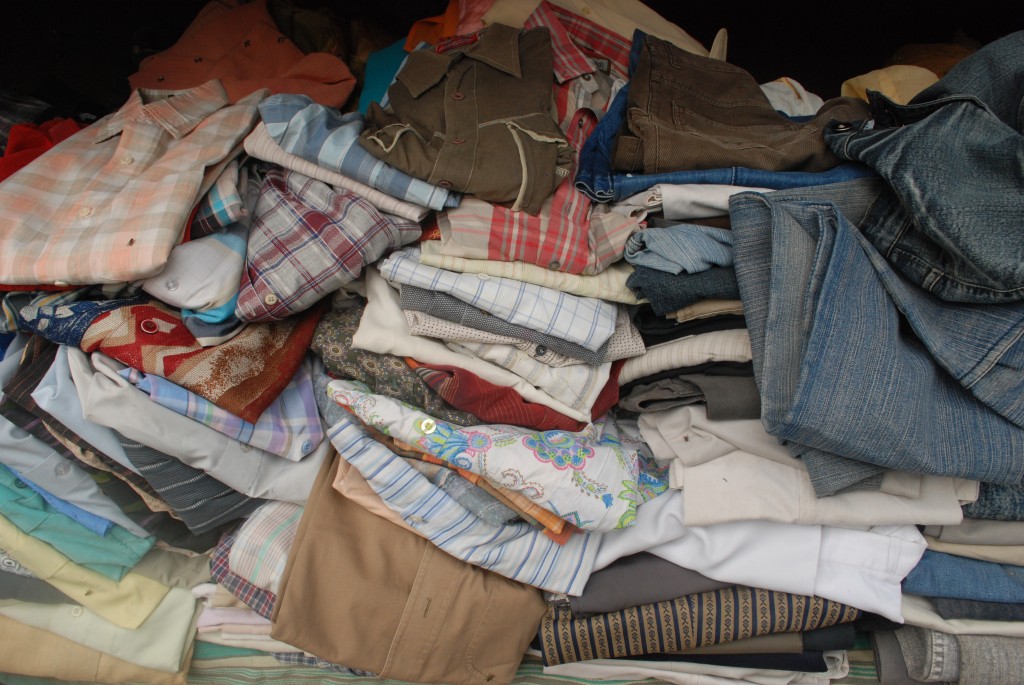
Clothes – old and new: suits, shirts, trousers, underwear, children’s wear, shorts, Caps, tee shirts
Earrings, chains, anklets, clips, bands, beads, shells, rings
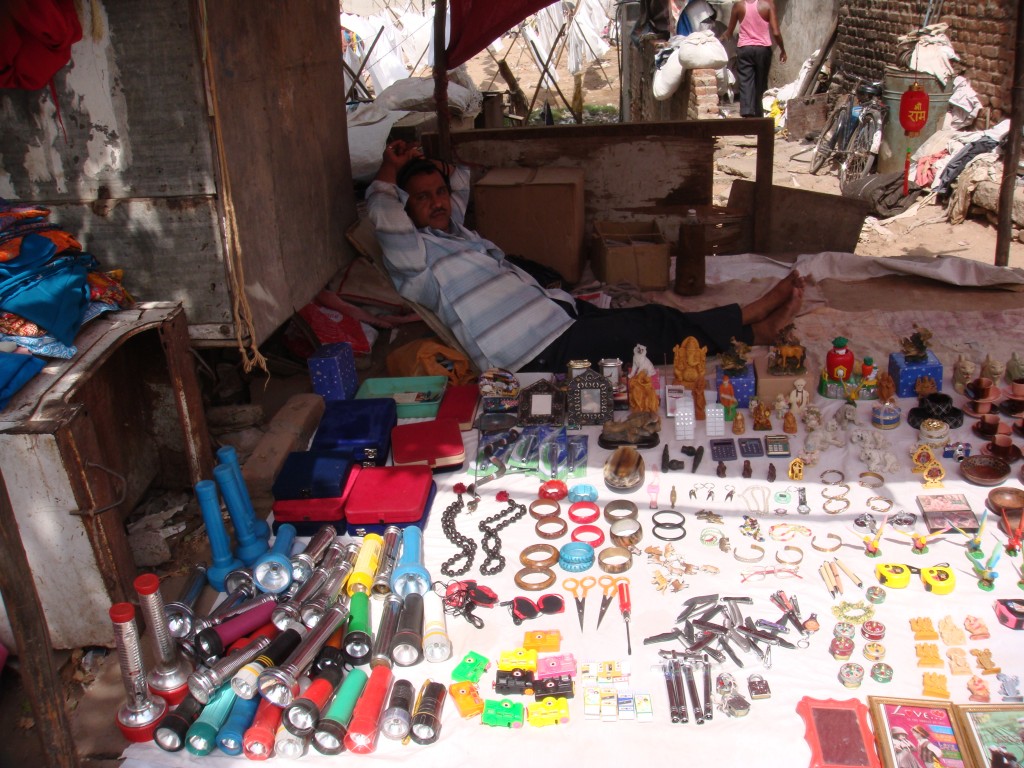
Notebooks, pencils, sharpeners, erasers, sketch pens, stickers, streamers, birthday hats, posters cello tape
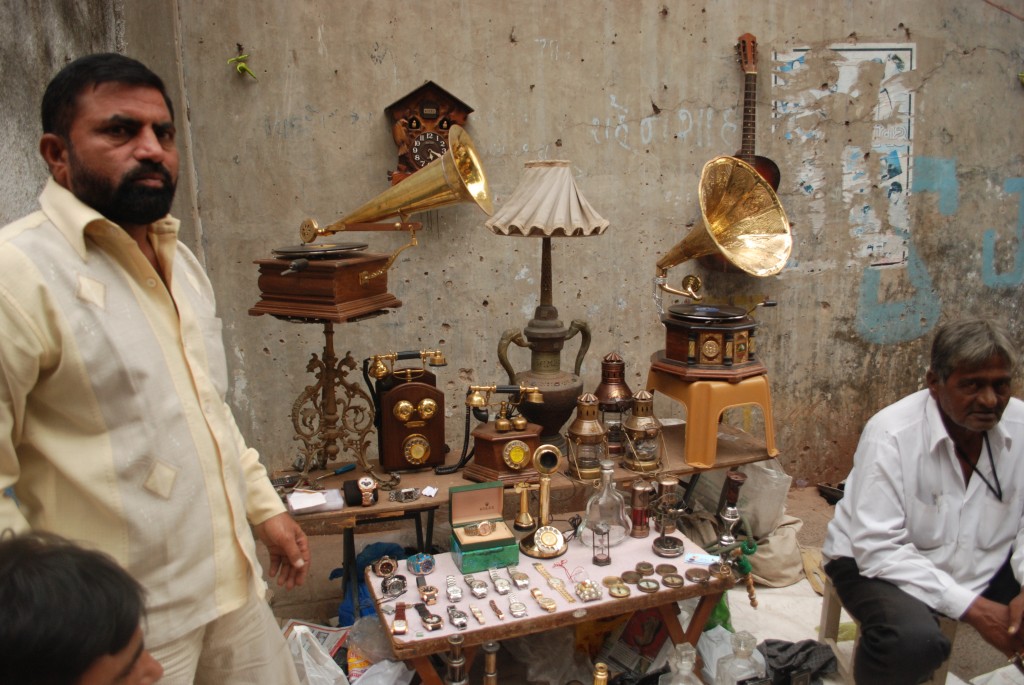
Antiques
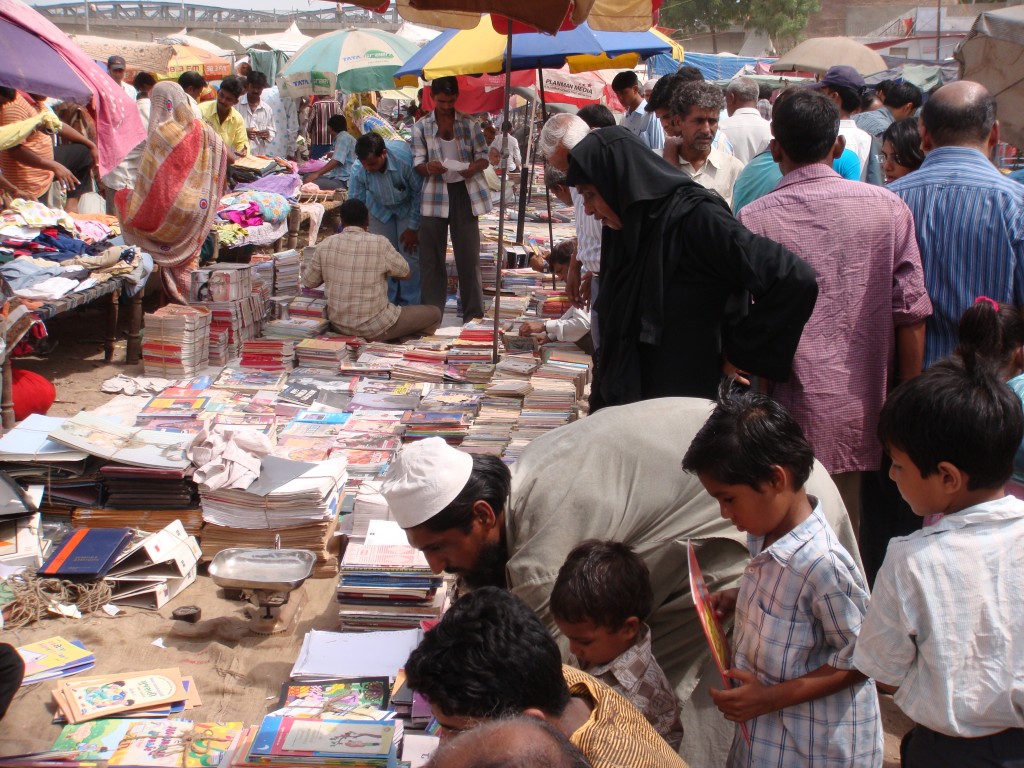
Books – old, new
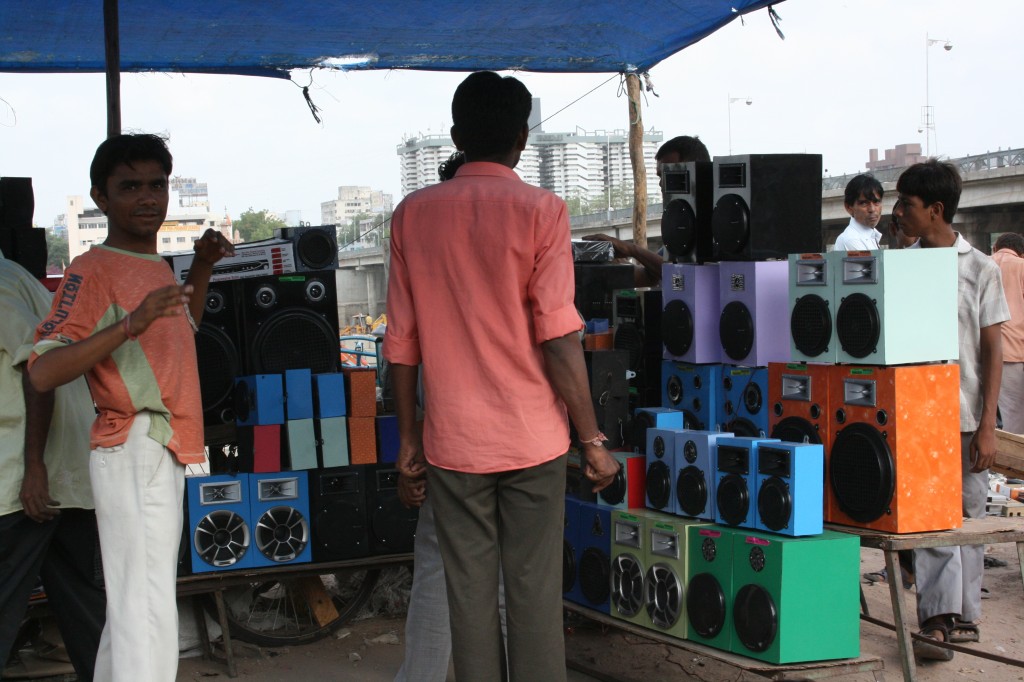
Electronics – old, new – speakers, DVD players
Food
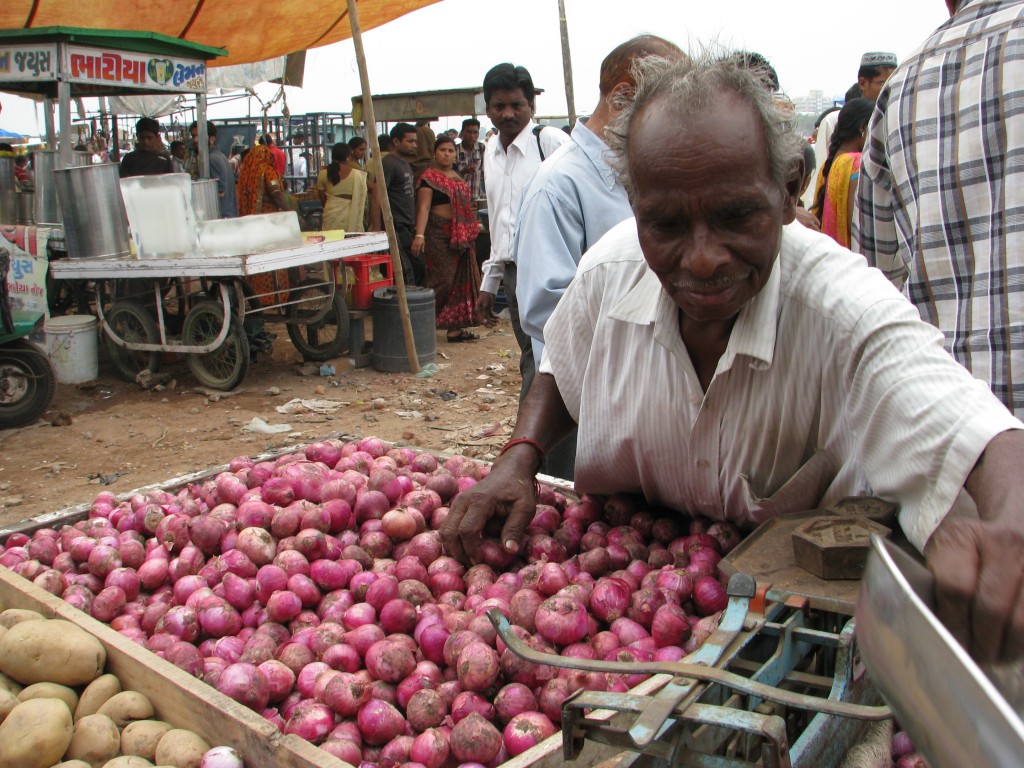
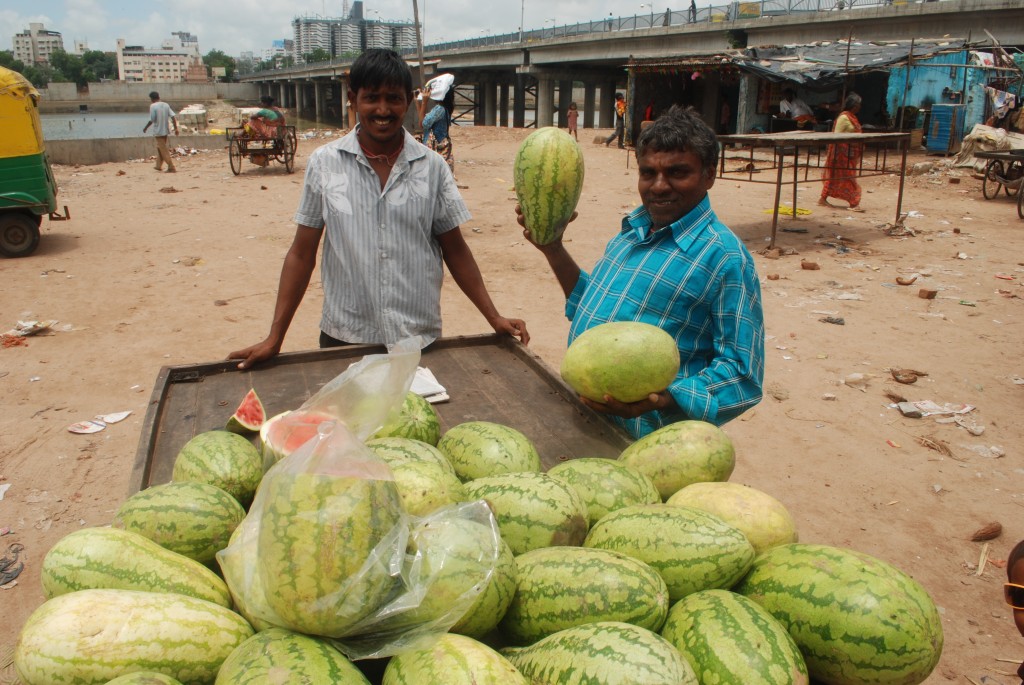
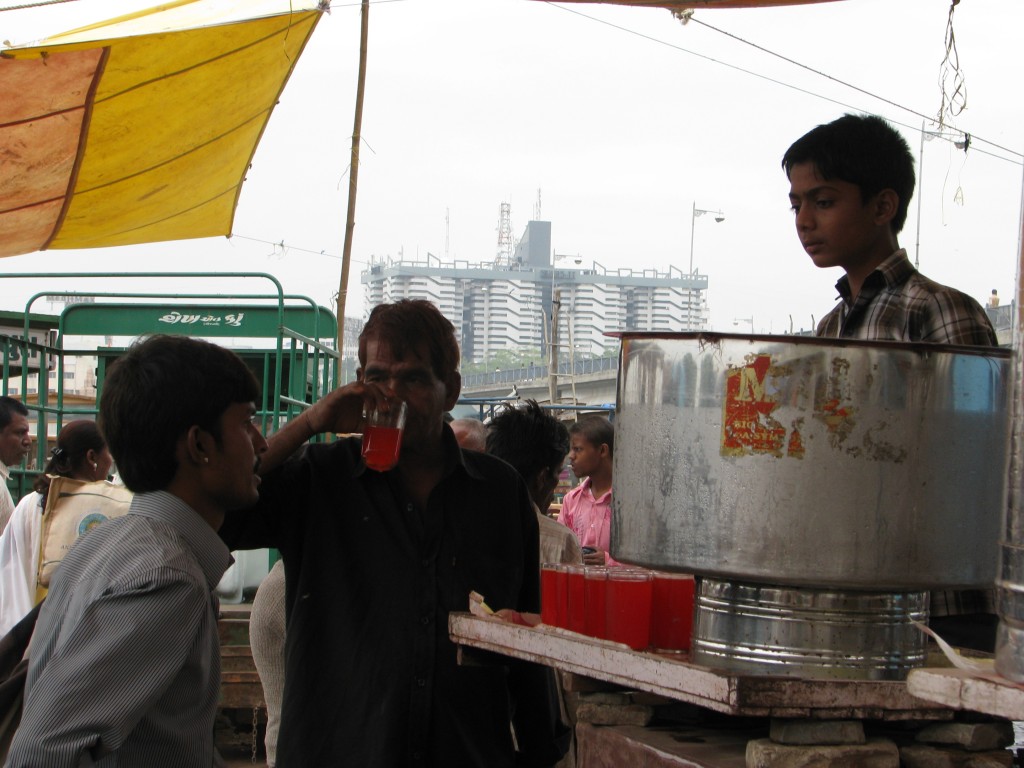
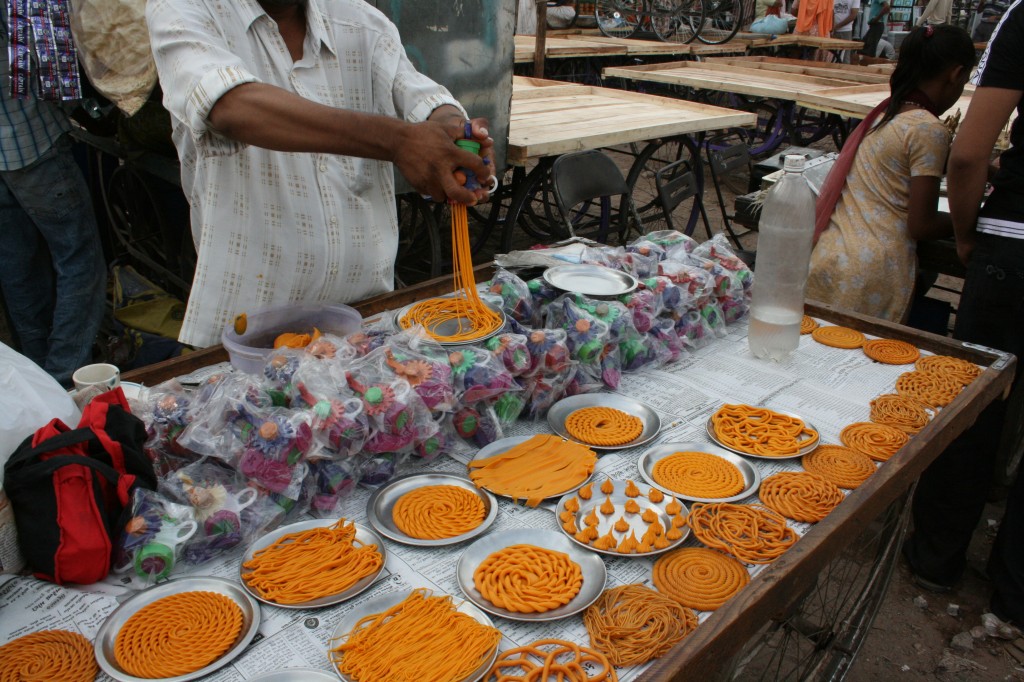
Since the market runs through the day, snacks for vendors and customers are also sold here.
Drinks – water, lemonade, cool drinks, tea
Food – pakodas, bhajjis, chole, chat, pappad
Part of the Gujari Bazaar record · originally published 2011–2013 · site restored 2026