Home › Current Situation
Part 1 of 5 ·
Current Situation
Where the bazaar stands today, and why it matters now.
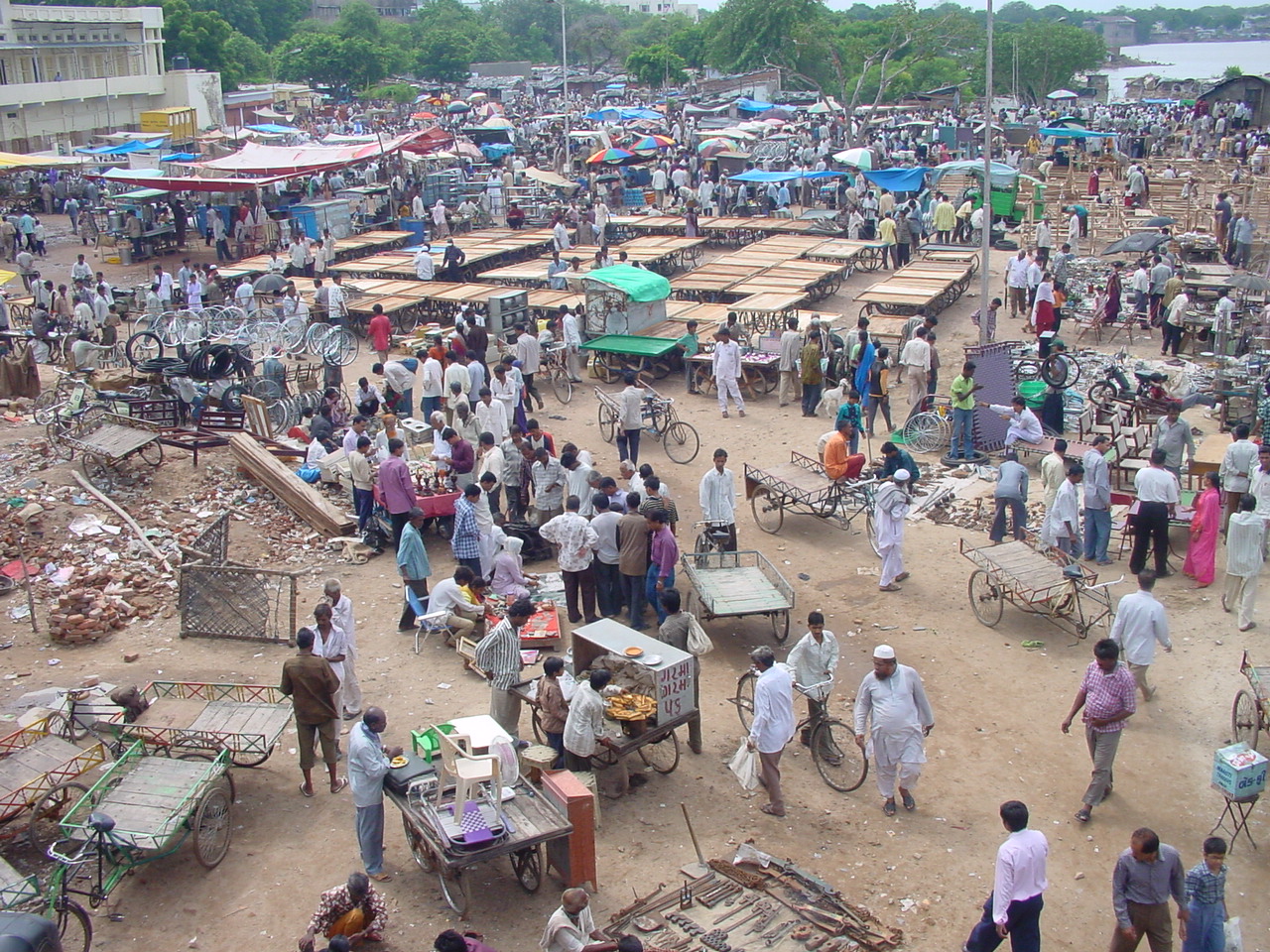
Ahmedabad’s Gujari Bazaar, also known as the Ahmedabad Sunday Market, is a 597 year old trader-organized market, established by Sultan Ahmed Shah only 3 years after founding the city. Since then, the market has been organized by the Ahmedabad Gujari Association (AGA), an elected organization consisting of both Hindu and Muslim traders, with 40% of its 1200 members being non-dependent women. Formally registered since 1944, the AGA ensures low entry barriers to traders aspiring to membership in the Association. This market has been a success story in its weathering the city’s communal conflicts, and is praised as a space of integration. In addition to organizing the weekly market, the AGA microfinances regional traditional craftspersons, fosters linkages between craft markets and distributors and documents traditional crafts knowledge.
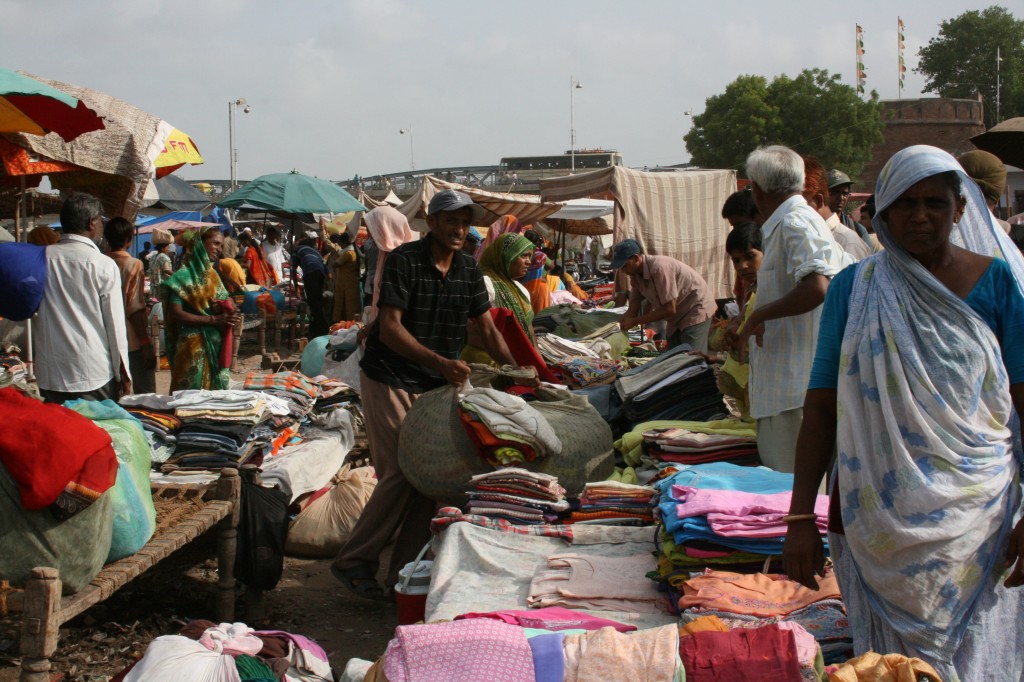
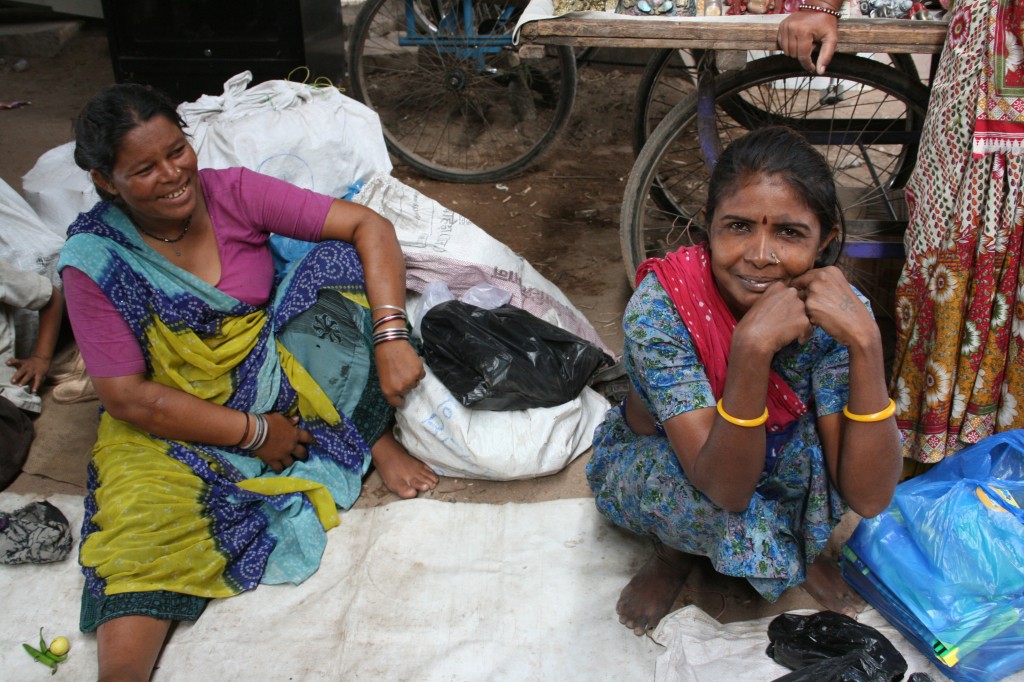
Spread over one square kilometer on the Sabarmati’s easte bank, the market abuts the remains of the historic city wall. The Gujari Bazaar consists of more than 1200 regular and 1000 ad-hoc stalls and functions as the backbone of Ahmedabad’s informal sector. In turn, the informal sector comprises approximately 75% of Ahmedabad’s working population. Market traders sell and everything from sustenance items, affordable household utensils and clothing and second-hand hardware tools to re-purposed waste, electronics and rare books. The bazaar operates as an open market each Sunday, providing livelihoods for an estimated 100,000–200,000 lower-income residents through a complex regional chain of artisan-entrepreneurs, home workers, mechanics, technicians and small traders.
People's Heritage Through the Ages
Read →The Dark Side of Planning
The closely connected fields of planning and public policy have undergone remarkable transformations in the past 2 decades. Primar
Read →Battle for Survival & People's Participatory Planning
Demolitions along the Sabarmati Riverfront Demolitions at the Ahmedabad Gujari Bazaar However, the space for this Gujari Bazaar ha
Read →