Home › History › Convergence of Social, Economic & Cultural Networks
Convergence of Social, Economic & Cultural Networks
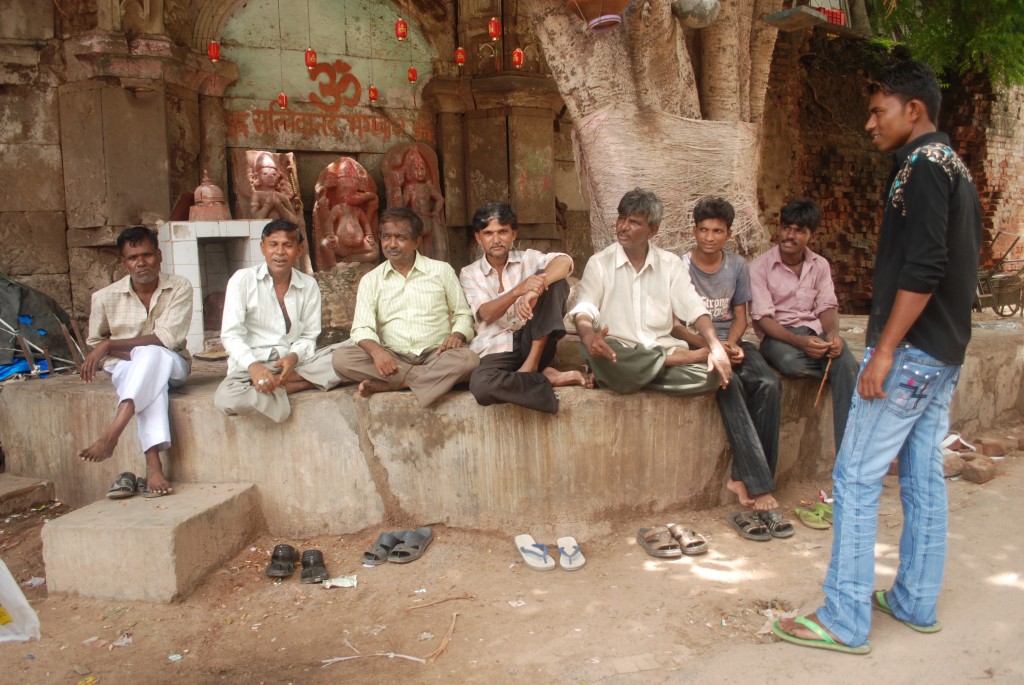
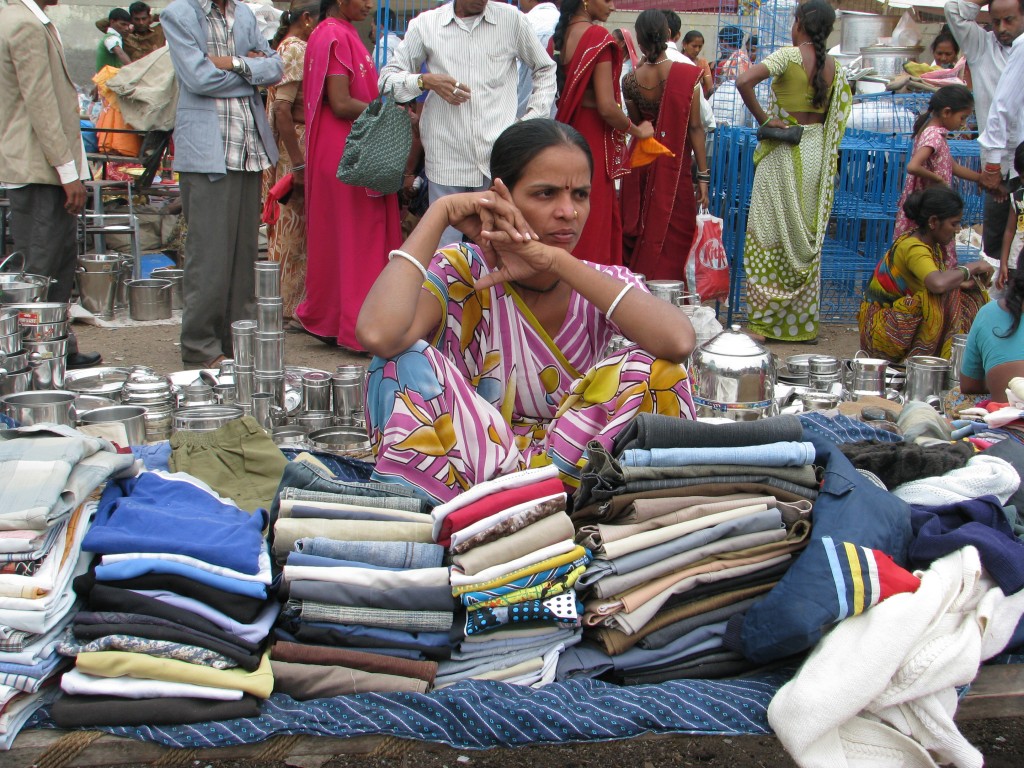
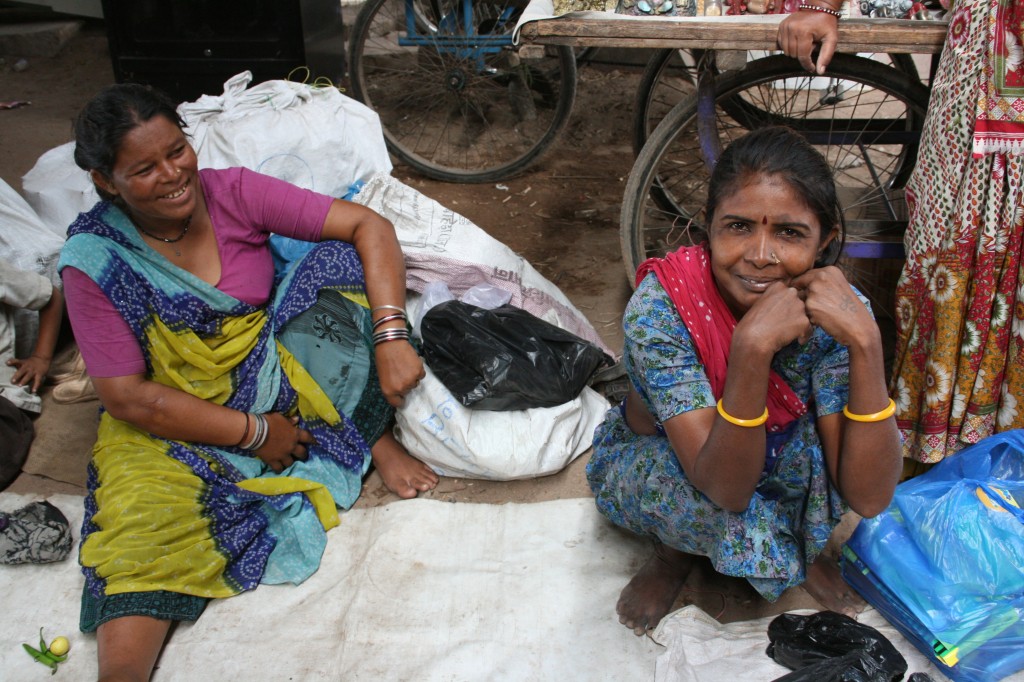
Visit a timeline of the Ahmebad Gujari Bazar here. Ahmedabad’s Gujari Bazaar, also known as the Ahmedabad Sunday Market, is a 597 year old trader-organized market. The market was established in 1414, 3 years after the founding of the city by Ahmed Shah. Since then, the market has been democratically governed by the Ahmedabad Gujari Association (AGA), a secular membership-based organization. Women traders comprise forty percent of the association’s membership; half of these self-identify as Dalit. Formally registered since 1944, the AGA ensures a fair entry process to traders aspiring to membership in the Association. This market has been a success story in its weathering of the city’s communal conflicts, and is praised as a space of social and ethnic integration (membership has always comprised of both Hindu and Muslim traders). In addition to organizing the weekly market, the AGA microfinances regional traditional craftspersons and small entrepreneurs, fosters linkages between crafts markets and distributors and documents traditional knowledge and emerging modes of production.
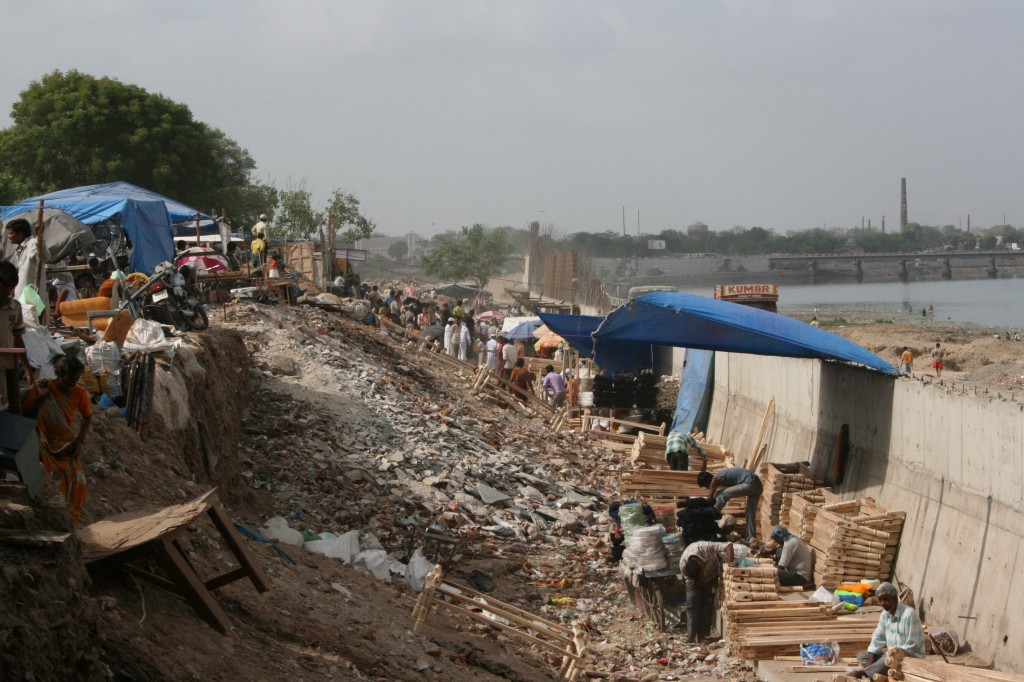
Once spread over one square kilometer on the Sabarmati’s easte bank, abutting the remains of the historic city wall, the market is currently compressed between existing buildings and the new concrete walls of the Sabarmati River Front Development Project to almost half that size. The Gujari Bazaar consists of more than 1200 regular and 1000 ad-hoc traders and functions as the backbone of Ahmedabad’s informal sector. In turn, the informal sector comprises approximately 75% of Ahmedabad’s working population. Market traders sell everything from sustenance items, affordable household utensils, clothing and second-hand hardware tools to re-purposed waste, electronics and rare books. The bazaar operates as an open market each Sunday, providing livelihoods for an estimated 200,000 lower-income residents through a complex regional chain of artisan-entrepreneurs, home workers, mechanics, technicians and small traders.
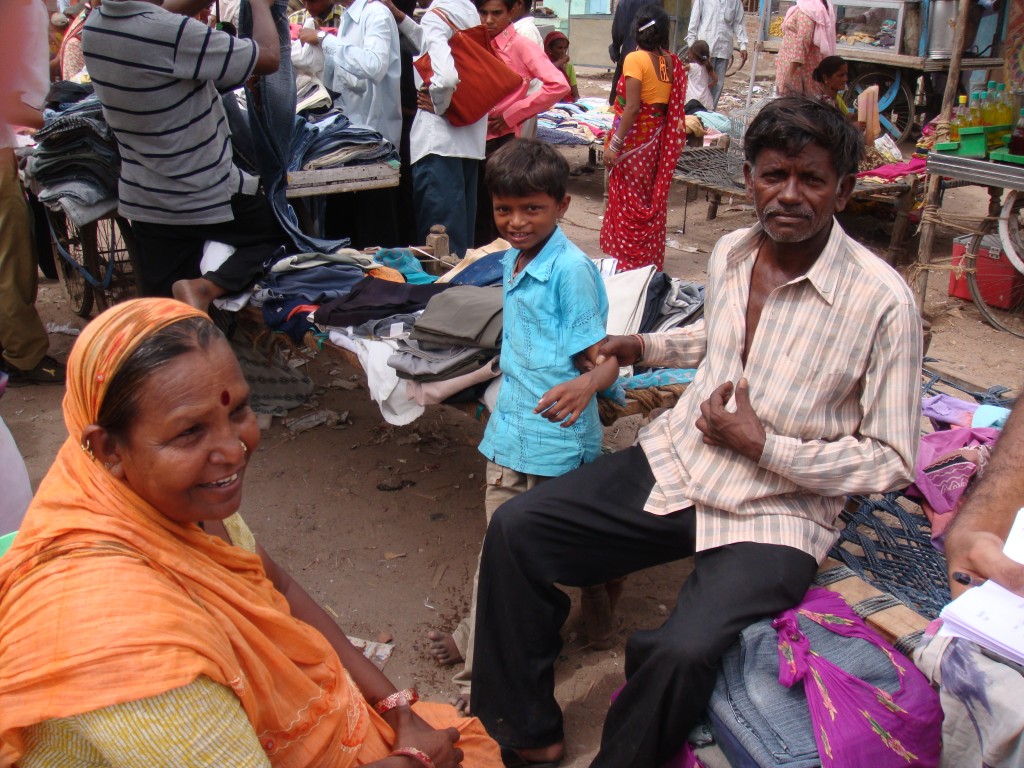
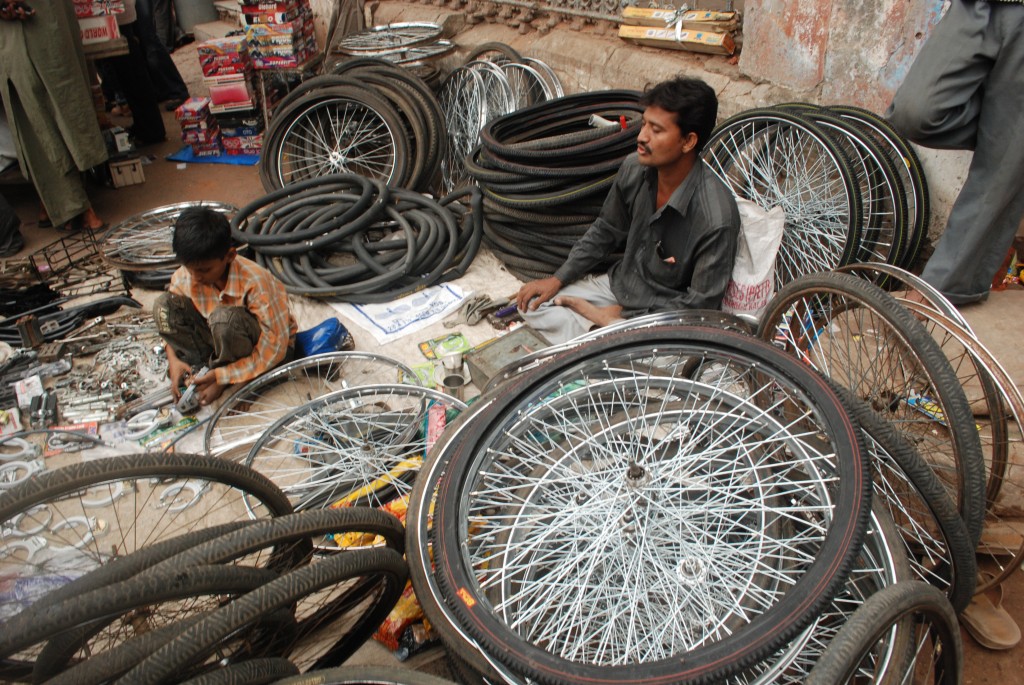
The rich cultural, economic and social networks facilitated throughout history by the market have been documented in a handwritten Gujarati-language manuscript, written by the Association’s office bearers over generations, and well preserved as a live-historical document that can continue to be augmented over time.
Part of the Gujari Bazaar record · originally published 2011–2013 · site restored 2026