Community
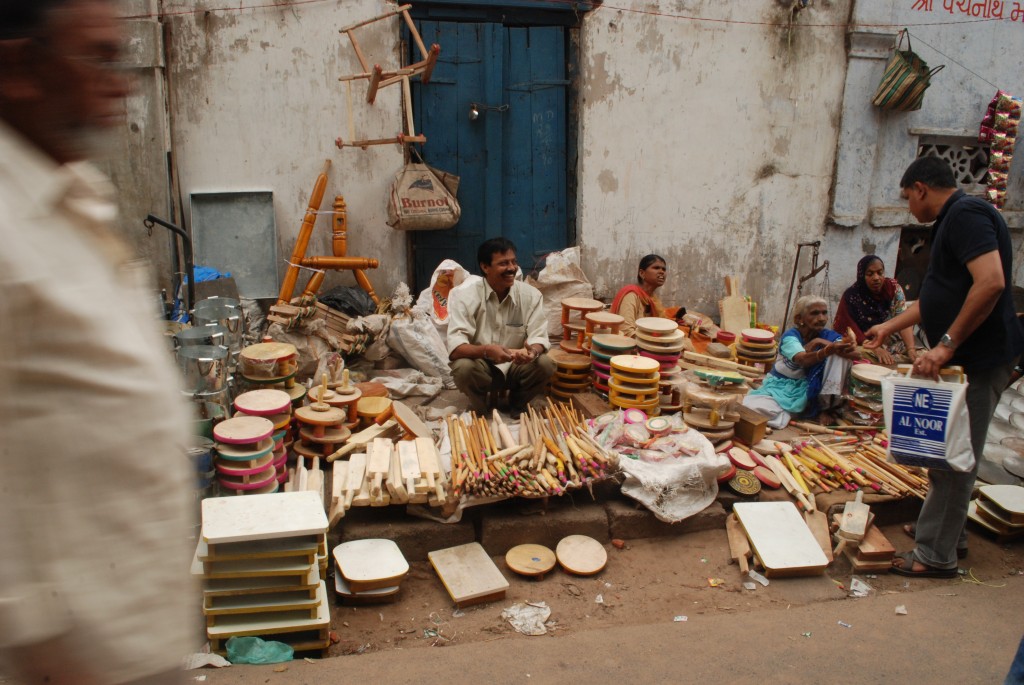
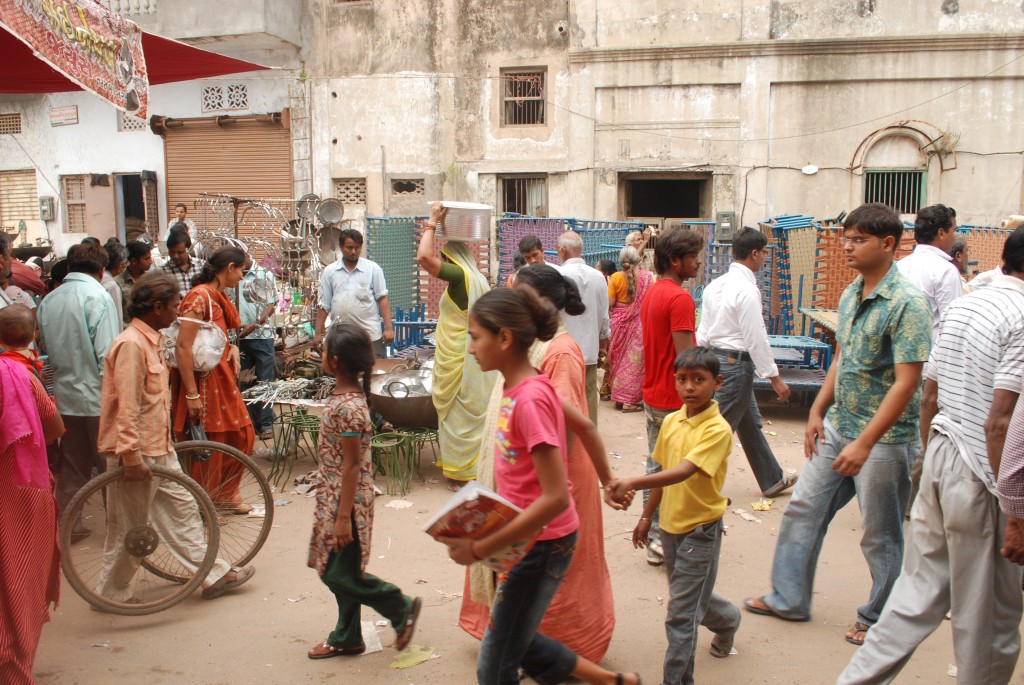
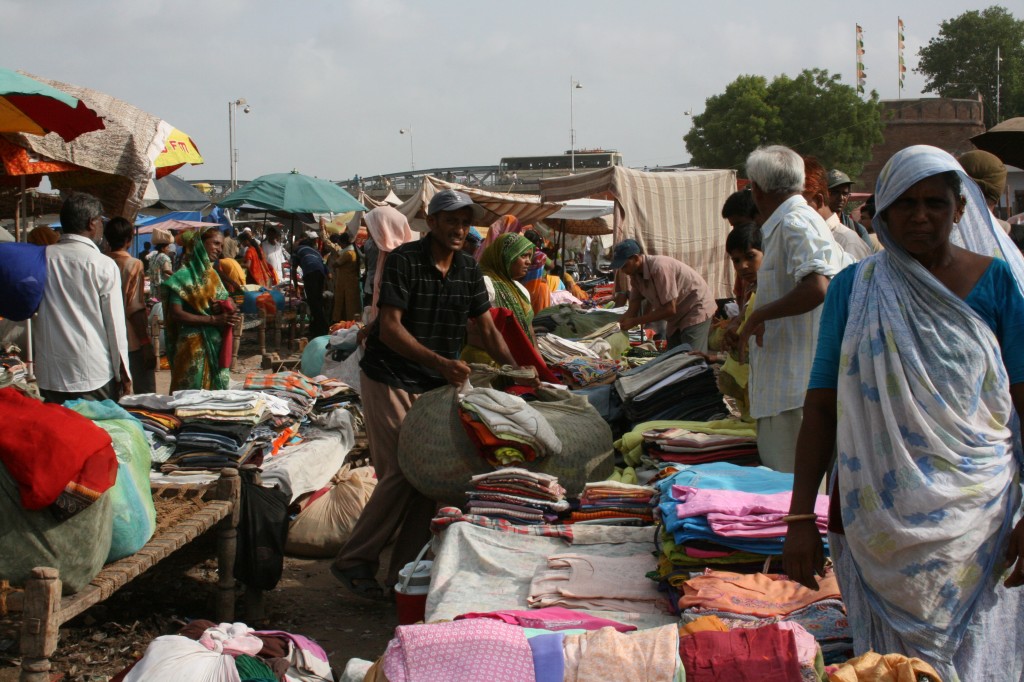
In addition to residents of Ahmedabad, the bazaar provides livelihoods for a large number of people from nearby villages and towns.
The eviction of the Gujari market will have a profound impact on the livelihoods of the market traders, immediately affecting more than 2000 traders, 20,000 workers in supply and distribution chains, 150,000 dependant family members, as well as an estimated customer base of 500,000 people. This eviction will also impact approximately 15-20,000 crafts people and other dependent daily wagers linked in the chain between making, transporting and the selling of goods. Most traders utilise time over the week in conducting activities towards making, mending, collecting, crafting, i.e. their unique production processes for the next market day. In doing so, they engage with a range of economically-productive people and processes that constitute their value chains.
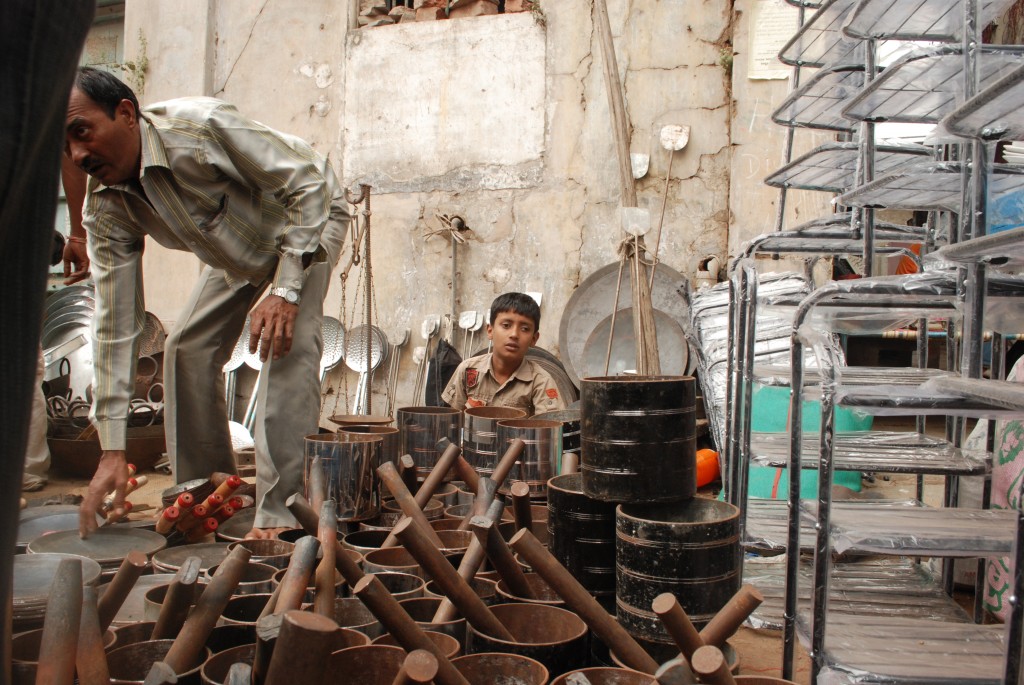

Every participant in this market is of a lower-middle class or an even lesser income bracket. Largely self-employed, their very existence depends on the kind of innovation offered in the market, making them a kind of small-scale entrepreneurial class. Here, survival depends on detail-oriented quality management: every speck of raw material must be evaluated throughout its acquisition, processing and functioning.
A Generational Identity
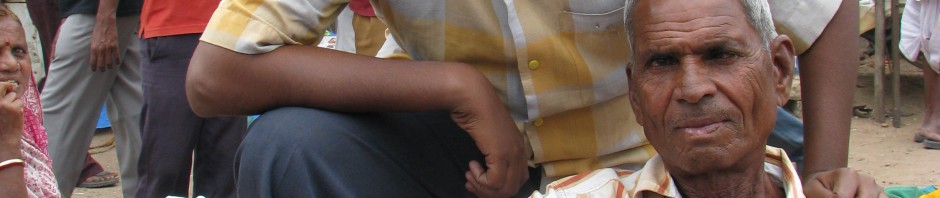
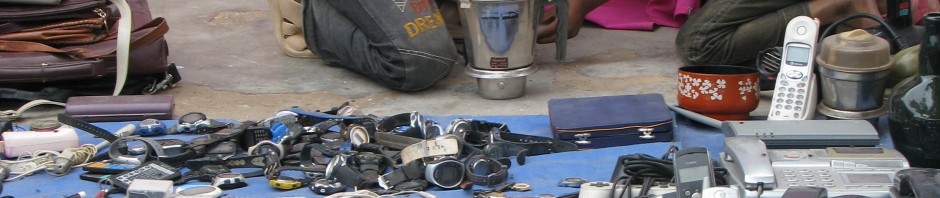
The next generation in an artisan-trader’s family follows the passed-on skill in the market trade. For example, in the case of a furniture maker’s son, who will follow his father into the same trade, keeping the surname “Cursiwalla” (chair maker). This hereditary work habit, practiced by a large number of diverse people, is followed throughout the Gujari Bazaar, which through its ritualistic coming together and interwoven livelihoods, succeeds in building a wholesome, powerful sense of community and reinforces a sense of spatial and temporal belonging to the market. This identity crosses borders of religion, caste, class and even gender (40% vendors are women), and thumbs its nose at the economic and social depravity which colours the modern consumerist market. These bonds of co-habitation and co-existence are strengthened by the tremendous secular and non-communal attitude that is prevalent. Religion is sacred and sanctified, but does not form the basis of rivalry, hatred or inter-community bias. Apart from this, the bazaar is also a social gathering with a focus on exchange and sharing. It is a ‘Mela’ (fair) of sorts. Traders and customers use this space and time to exchange news, gossip, test out new ideas, learn from each other and discuss issues as varied as family matter, prices and politics.
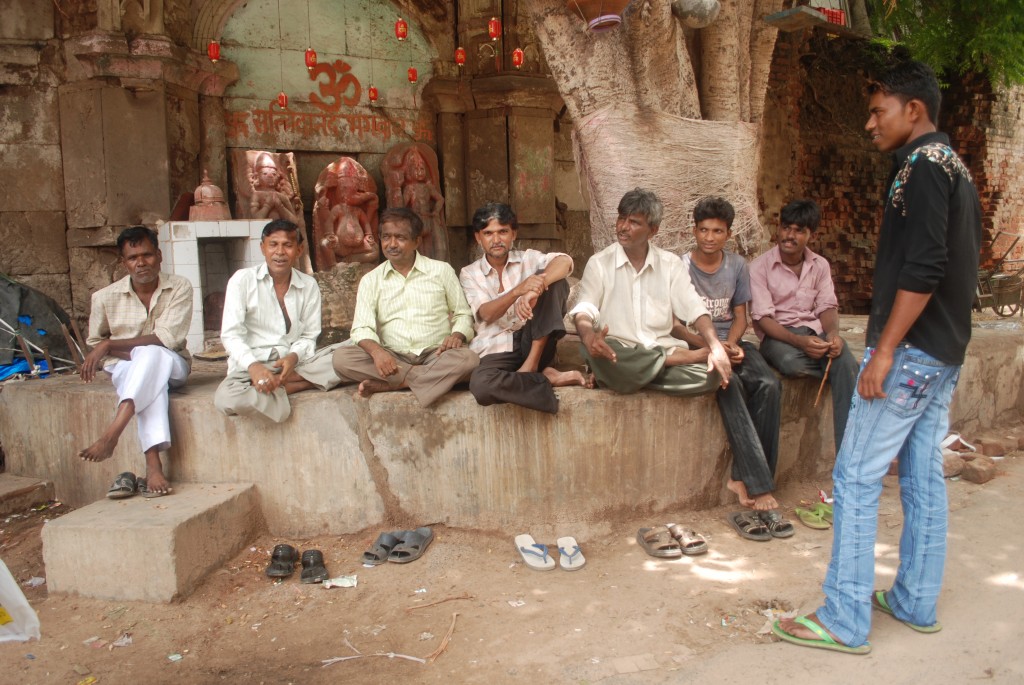
Currently there are 1200 official members in the market and approximately 1000 unofficial members. Hence there are about 7,000 to 10,000 vendors and their families at an average in the market every Sunday. Out of these, 400 are non-dependant woman traders. Close to 200,000 buyers come to Gujari Bazaar every Sunday.
Part of the Gujari Bazaar record · originally published 2011–2013 · site restored 2026